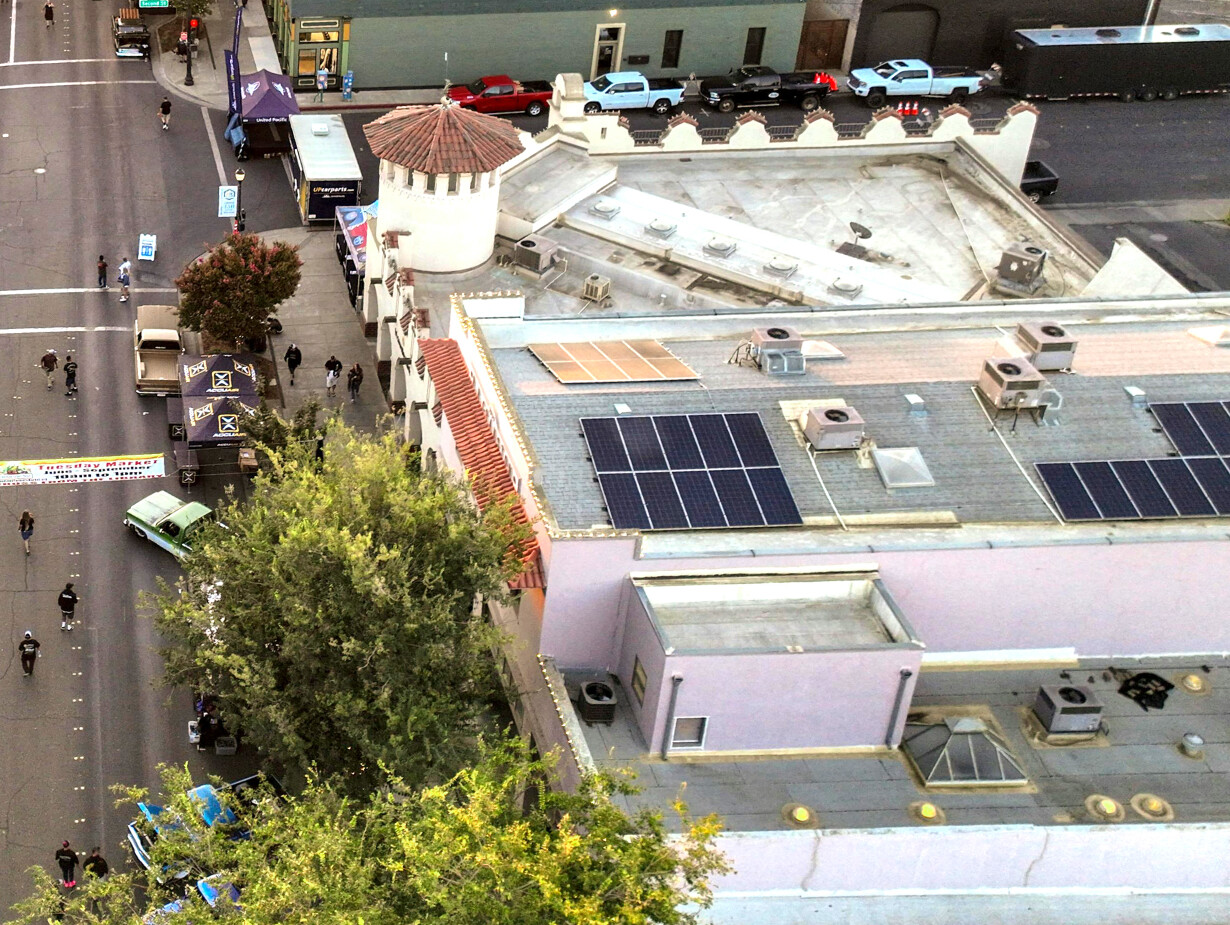
Resilience Hubs Initiative
Ava is exploring how clean energy systems can support community-serving facilities in maintaining critical services during power outages.
Communities across Ava’s service area may experience power outages from events such as wildfires, extreme heat, earthquakes, and Public Safety Power Shutoff (PSPS) events. During these outages, community-serving facilities play a critical role as local resilience hubs—maintaining continuity of essential services and operations, and providing residents with access to resources such as cooling, device charging, food or water distribution, and communication.
Through a research and innovation initiative, Ava is partnering with community organizations and technical experts to test resilience hub models and learn from early projects.
Because resilience hub energy systems are an emerging area, Ava is implementing this initiative in cohorts that support potential sites through resilience readiness, Technical Assistance (TA), and incentives. The first cohort is underway and will help test different resilience hub models and inform future program design.
Interested in joining the next cohort?
Our partner Emerald Cities Collaborative (ECC) leads community outreach, resilience readiness screening, and application support. Contact ECC by December 1, 2026, to get started.
What is a Resilience Hub?
Resilience hubs may look different depending on unique community needs. While other resilience hub efforts may focus on emergency preparedness or community programming, Ava’s role is to support the clean energy systems that allow these facilities to maintain power during outages. Given Ava’s focus, Ava defines resilience hubs as “physical, community-serving facilities that provide essential services, distribute critical resources during emergencies, and integrate clean energy solutions to maintain operations during power outages. They also serve as year-round community spaces where local residents gather and access everyday services.” These facilities are often located in places people already know and trust, such as community centers, libraries, schools, faith-based organizations, and nonprofit buildings.
How Does Ava Support Resilience Hub Development?
Ava provides several types of support to help community-serving facilities prepare for installing solar and battery storage systems that power critical services during outages:

Resilience Readiness Support
Early-stage guidance to help community-serving facilities explore how their site could operate during power outages, identify resilience services the site currently provides or could offer during outages, and determine whether participation in Ava’s resilience hub initiative may be a good fit.
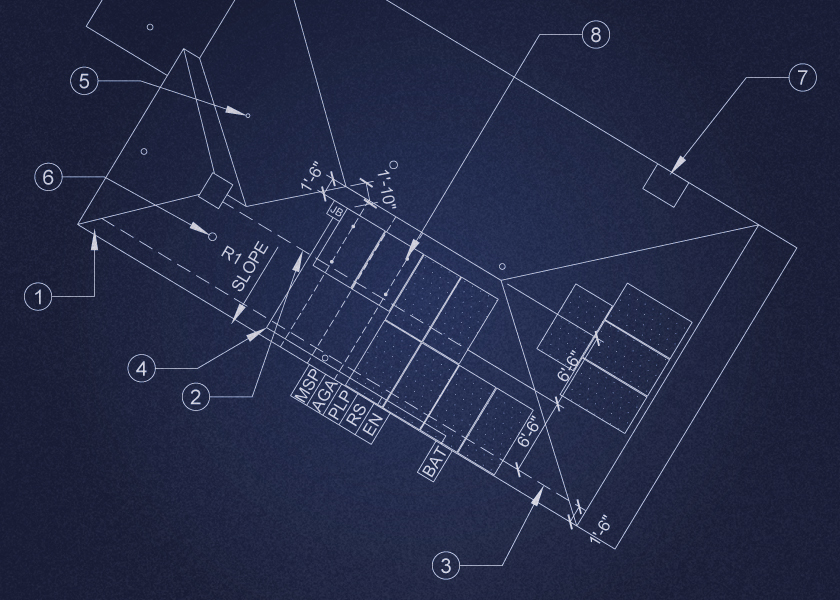
Technical Assistance
Feasibility and planning support for solar and battery storage systems designed to support critical services during power outages.
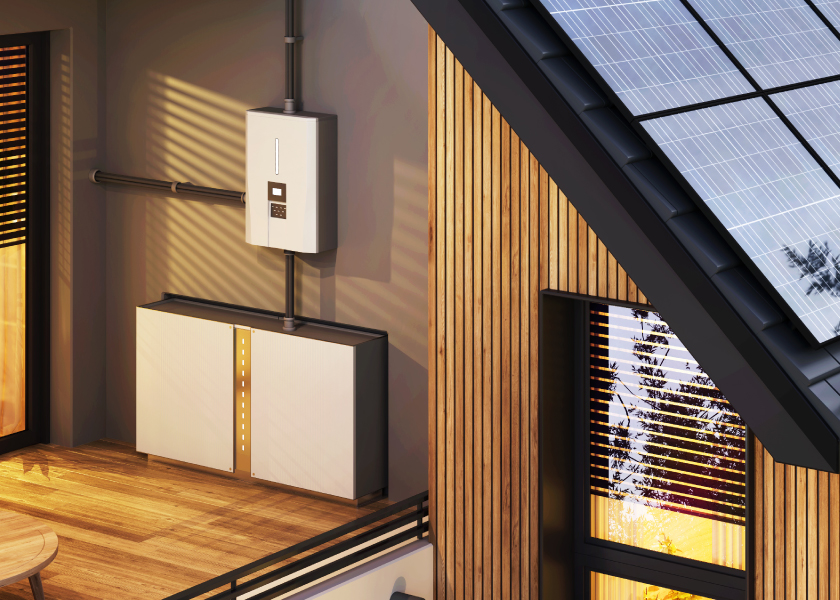
Incentives
Funding for the installation of a solar and battery storage system designed to help the site maintain power during outages.
Partners

ECC supports community engagement and intake. ECC conducts screening to confirm program fit and helps sites apply for Technical Assistance.

NV5 is the engineering consultant for Technical Assistance. They provide feasibility assessments, proposal and contract reviews, and resilience scoping to help sites translate critical services into preliminary energy requirements.
Development Process
The process for becoming a resilience hub can be complex. The program team (Ava, ECC, and/or NV5) supports the green, bolded activities listed below, while the site representative will be responsible for completing the others.

Resilience Readiness
“Is this program right for me?”
- Interest: Site representative expresses interest in their facility becoming a resilience hub and contacts program team to learn more
- Interview: Program team conducts screening call to learn how the site intends to serve as a resilience hub
- Application support and submission: The program team provides hands-on support during the application process, including completing required materials and answering questions throughout the process.
View a sample Resilience Readiness Questionnaire (PDF) to learn more about this step.

Feasibility
“Is solar and battery storage right for my site?”
- Discovery: Program team works with site representative to understand resilience hub use case
- Investigate: Program team collects data and may conduct a site visit to inform feasibility
- Feasibility assessment: Program team will review results of the feasibility assessment and recommendations with the site representative

Procurement
“Who will install the solar and battery system(s) at my site?”
- Funding and financing resources: Program team provides access to a list of relevant solar and battery storage incentives, grants, and financing options for the site to explore
- Installer search: Site representative solicits solar and battery proposals from potential installers
- Proposal review: Program team reviews third-party contractor proposals and contracts to help assess project scope, alignment with resilience goals, and key technical considerations
- Installer selection: Site representative selects installer, signs a contract directly with the installer, and is responsible for payments required under the installer contract, including costs that may be due before incentive funds are paid
- Incentive reservation: Site representative applies for Ava’s incentive reservation

Project Development
“How does my site become a resilience hub?”
- Design: Site representative works with their selected installer to design and confirm a solar and battery system suited to their building
- Permitting and equipment purchase: Site representative works with installer to get the appropriate project permits and purchase equipment
- Installation and commissioning: Site representative oversees the installation and commissioning of the solar and battery system
- Incentive payout: Site representative receives an incentive payout from Ava Community Energy after installation is complete and all requirements outlined in the customer agreement have been met
Who May Participate
Ava supports community-serving facilities that:
- Currently provide critical services to their community
- Intend to offer defined services to the public during power outages and are prepared to support that role with solar and battery storage
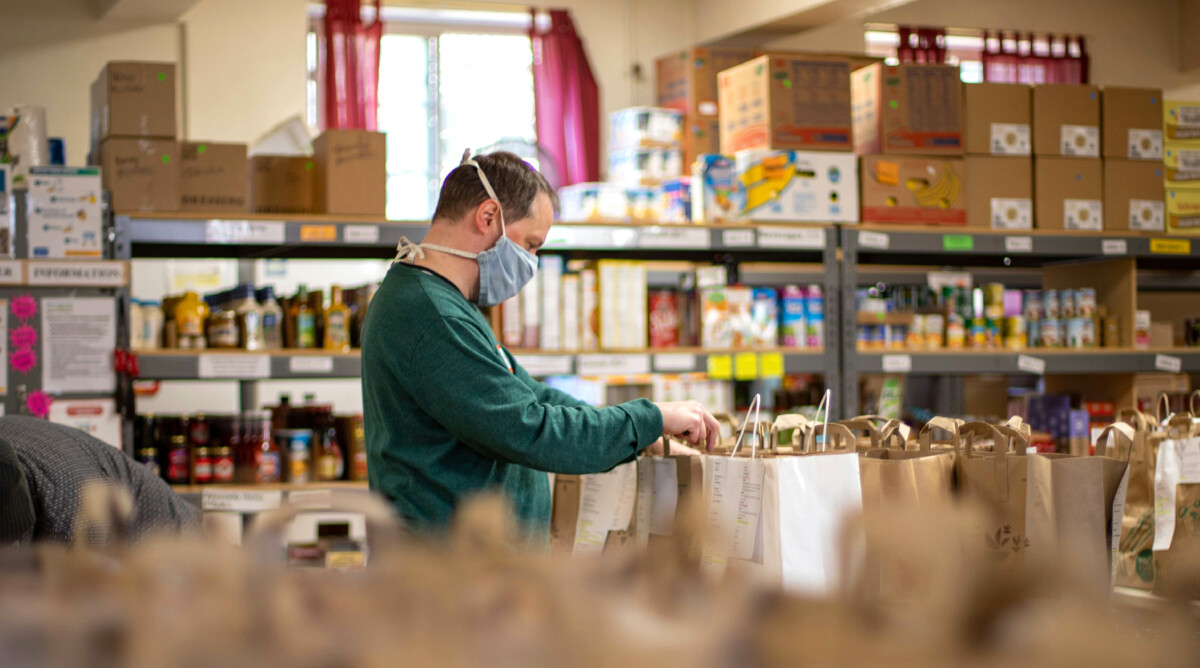
Critical services include:
- Shelter
- Clean air or climate-controlled space
- Refrigeration
- Device charging
- EV charging
- Wi-Fi
- Fresh water access
- Food distribution
- Other critical services (with Ava approval only)