8 Energy Efficiency Home Improvement Ideas
Our homes use energy all day, every day. Energy efficiency upgrades change how that work gets done, so you stay comfortable while using less electricity and spending less.
Some of these improvements take an afternoon, while others are larger investments. We’ve gathered eight energy efficiency home improvement ideas, from low-effort and low-cost improvements to more complex, higher-investment upgrades, so you can start wherever makes sense for you.
Quick, Low-Cost Energy Efficiency Improvements
These three improvements require minimal effort and don’t cost much compared to other energy efficiency measures. They’re also a smart first move before making any larger investment, because they reduce your baseline energy consumption and help right-size any upgrades that come later.
1. Switch to LED Lighting
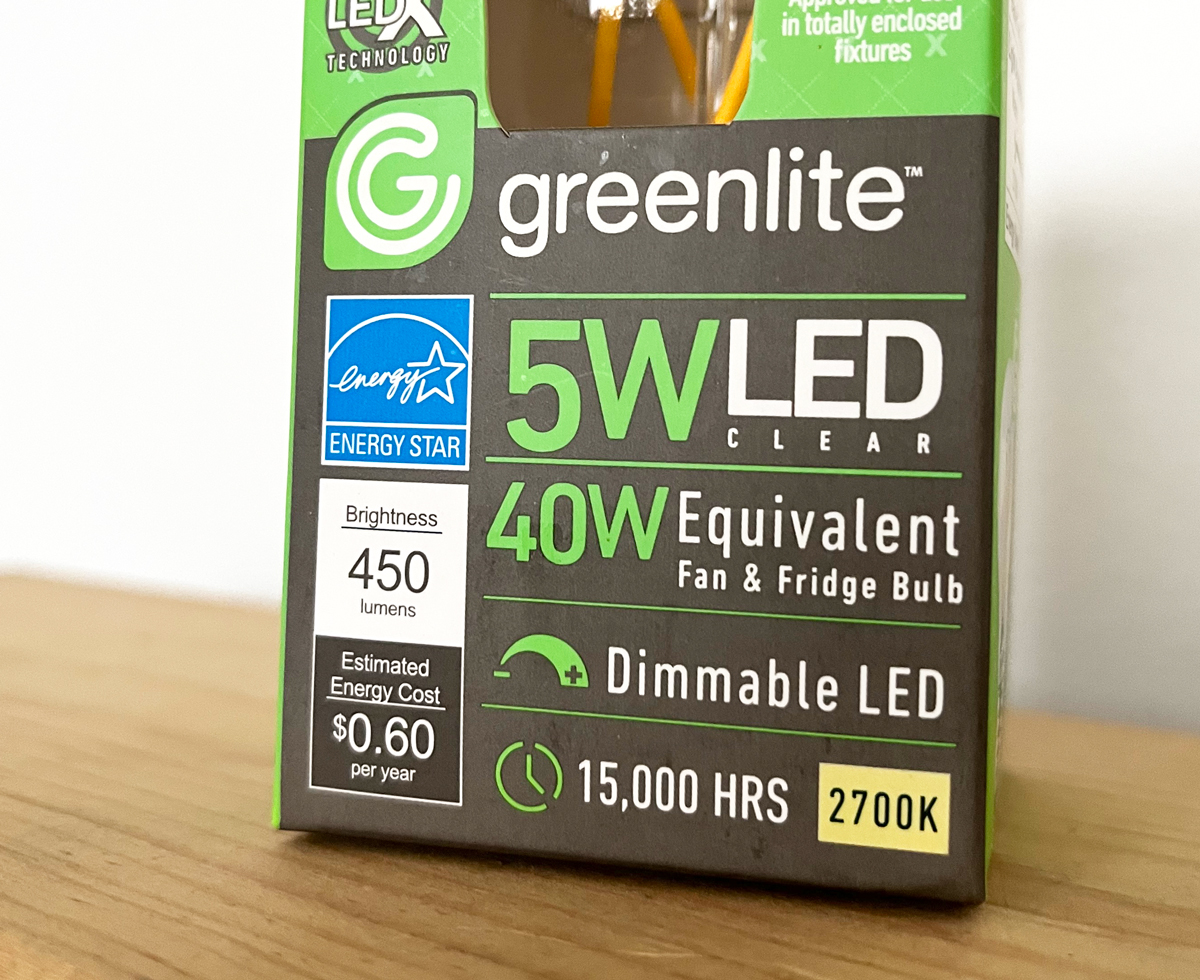
If you’re looking for the easiest high-impact upgrade, LED lighting is it. LED light bulbs use up to 80% less energy than traditional incandescent bulbs and can last up to 25 times longer. This means not only lower electricity bills, but also fewer trips to the store for replacements. Switching to LEDs is a simple weekend project that pays dividends for years to come.
Look for ENERGY STAR-certified light fixtures for the greatest efficiency gains.
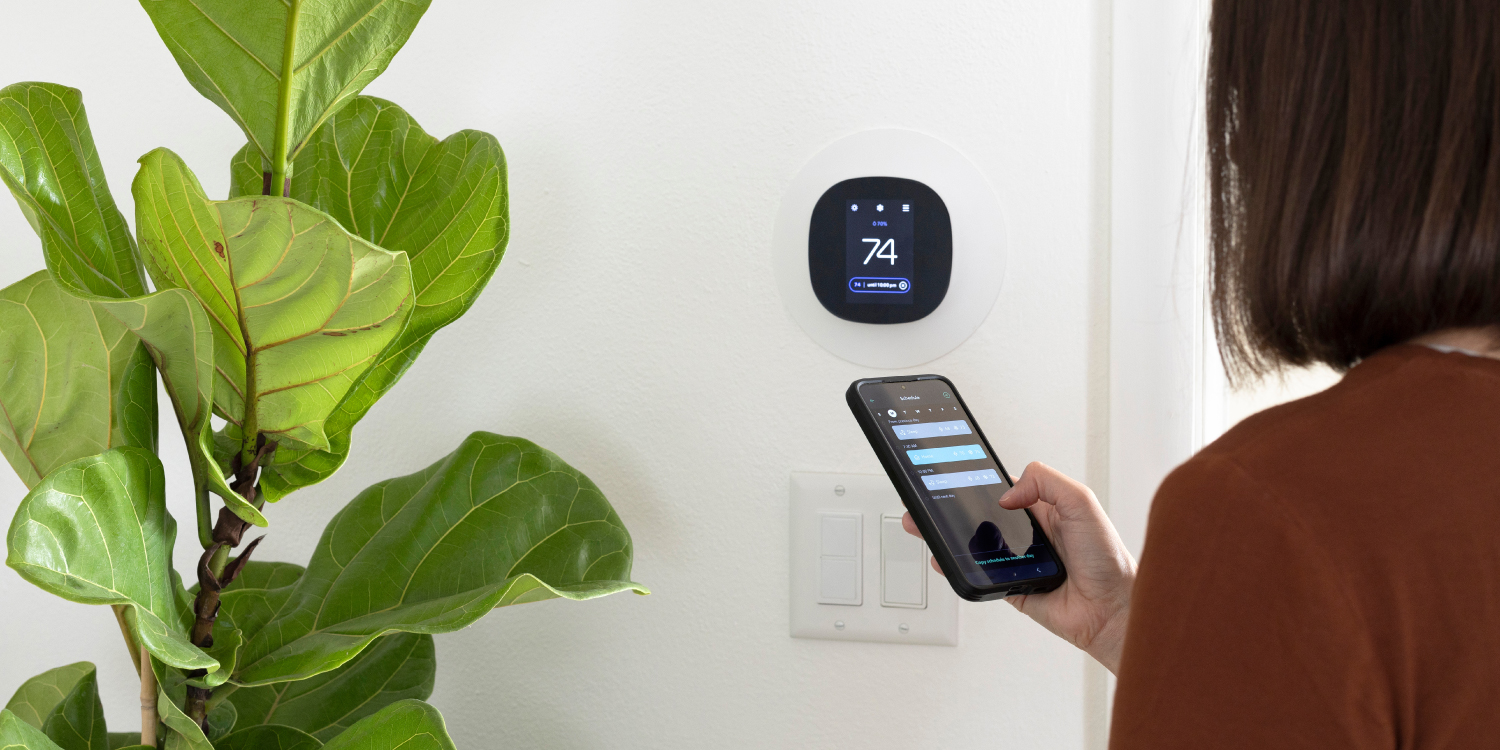
2. Install a Smart Thermostat
Adding a smart thermostat is a relatively quick install with near-instantaneous savings. In addition to monitoring your home’s internal temperature from your phone (and remotely), a programmable smart thermostat can automatically adjust the temperature when you’re away or asleep, reducing energy use without sacrificing comfort.
The installation typically takes less than an hour, and the energy savings begin immediately by reducing unnecessary heating and cooling when you’re away or asleep.
3. Weatherize and Seal Air Leaks
Heating and cooling are among the largest energy expenses in any California home—and air leaks around windows, doors, electrical outlets, and plumbing fixtures force your heating and cooling systems to work harder than they need to. Weatherstripping, caulking, and simple DIY fixes prevent this heat loss and improve overall comfort. Most hardware stores carry weatherstripping and caulk kits that can be applied in just a few hours.
Sealing air leaks is often the fastest, most cost-effective way to reduce energy waste. Before investing in a new HVAC system, address these fundamental issues to ensure you’re not heating or cooling the outdoors.
Weatherization Upgrades
Your home’s “envelope” (walls, ceilings, floors, windows, and ducts) determines how hard your HVAC has to work. In the previous tip, we mentioned that you can improve your home insulation quickly using a weatherstripping kit from the hardware store, but here are some upgrades that go even further to reduce your energy use.
4. Add or Improve Home Insulation
Proper insulation in attics, walls, basements, crawl spaces, and air ducts can dramatically reduce heating and cooling loss. Upgrading insulation complements heat pumps and other HVAC improvements, enabling these systems to operate at peak efficiency.
Proper attic insulation is typically the highest-return investment in this category. This is a moderately difficult DIY project, or you can hire a contractor. ENERGY STAR breaks down how to take on an attic insulation project and what you’ll want to consider.
5. Install Energy-Efficient Windows and Doors
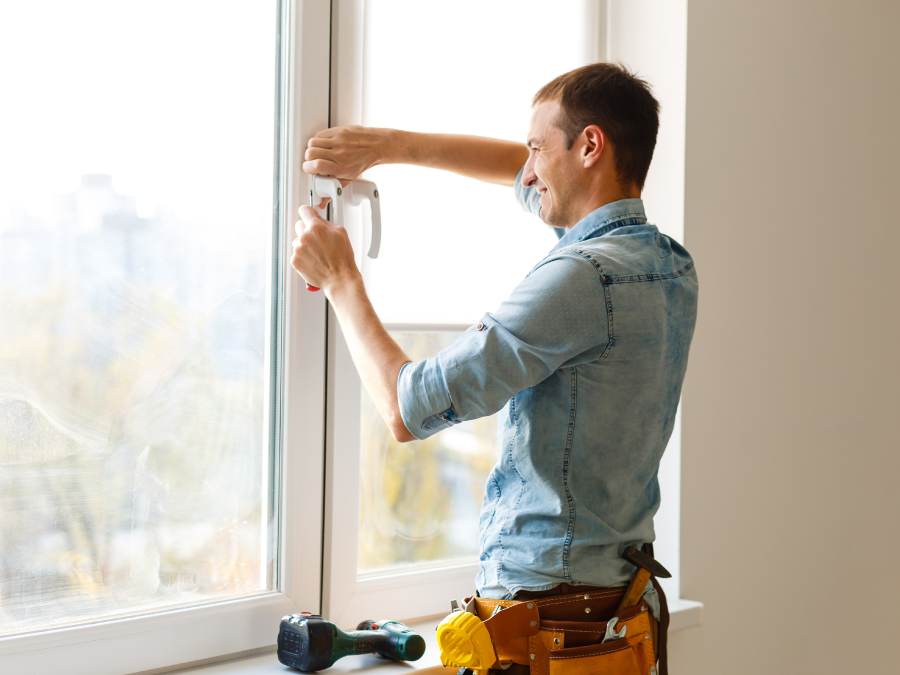
Windows and doors are familiar sources of heat gain in the summer and heat loss in the winter, especially in older homes where seals may be worn down or broken. Modern double- or triple-pane windows with Low-E coatings help maintain stable indoor temperatures year-round.
High-efficiency windows also reduce noise transmission, minimize condensation, and protect your flooring and furniture from UV damage.
This upgrade comes with a higher upfront cost, but the improvement is noticeable. When properly installed, modern windows last for decades, making them a wise long-term investment.
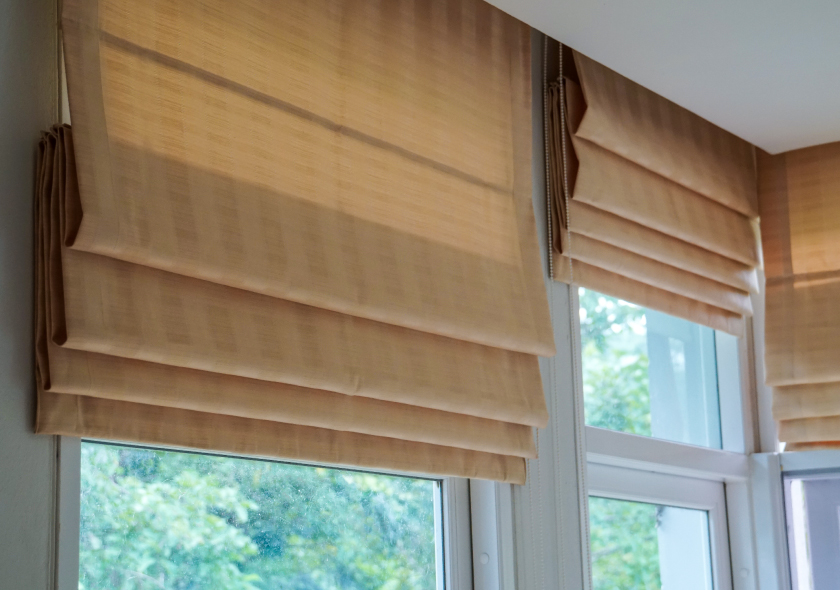
For a lower-cost option, interior window coverings such as cellular shades, window quilts, or roman shades also reduce heat transfer and at a much lower cost than a full window replacement.
Energy-Efficient Appliances
These upgrades are worth considering when you have an appliance that’s nearing the end of its life. They replace equipment you already use with new, state-of-the-art technology that accomplishes the same tasks using significantly less energy and zero fossil fuels.
6. Switch to Induction Cooking
Induction cooktops are a significant leap forward for kitchen efficiency. Unlike gas or electric stoves, induction cooking heats cookware directly via electromagnetic induction, so they lose very little heat to the surrounding air. That means they’re more efficient, faster, and more precise than the alternatives.
Beyond efficiency, switching from a gas stove to induction can improve air quality and safety by eliminating combustion byproducts like NO2 from your kitchen.
7. Upgrade to a High-Efficiency Heat Pump HVAC System
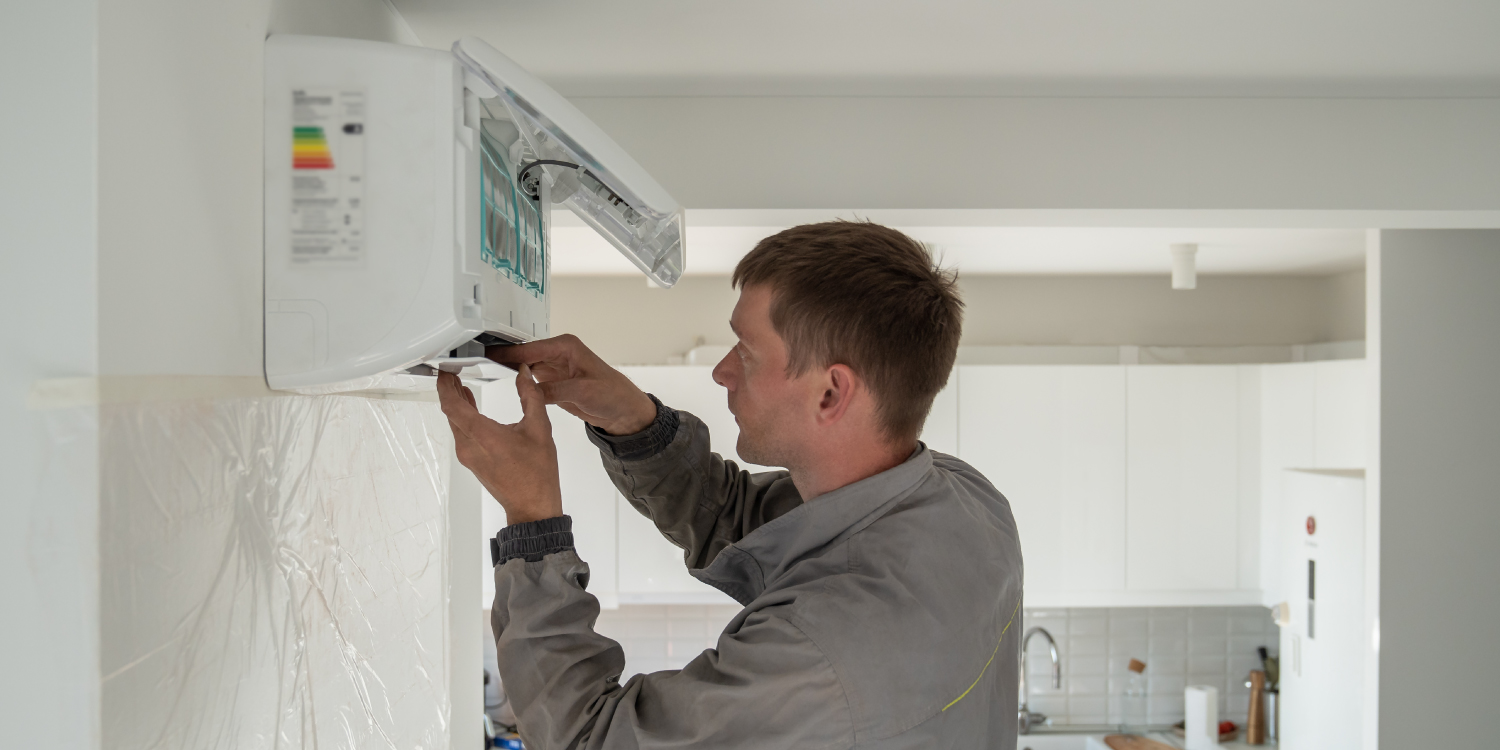
A heat pump HVAC system represents the future of home climate control. Unlike traditional furnaces and air conditioners, which generate heat or cool air, heat pumps transfer heat between your home and the outdoors, using significantly less energy while providing both heating and cooling from a single system.
Modern heat pumps can reduce energy consumption by 30-40% and cut carbon emissions by over 90% compared to traditional systems. They’re particularly effective in California’s climate, where they can handle both summer cooling and winter heating needs, and when paired with solar panels to offset the increase in electricity use.
8. Upgrade to a Heat Pump Water Heater
Traditional water heaters are among the largest energy consumers in most households. Heat pump water heaters use about 70% less energy than electric resistance models by transferring heat from the surrounding air rather than generating it directly. This is among the highest-return-on-investment appliance upgrades, with energy savings that quickly offset the initial cost. In fact, people who switch to a heat pump water heater can save between $80 and $230 annually on their water heating bills.
A heat pump water heater is a foundational step toward a fully electric, energy-efficient home, but switching from a gas water heater to an electric one can come with an increased cost. This upgrade works best if you have solar panels to cover the extra electricity usage.
Local Programs and Resources

Rebates and Incentives
- Ava Incentive Finder: Search available rebates and incentives for electrification and energy efficiency upgrades by ZIP code
- BayREN: Find residential energy programs and rebates for Bay Area residents

Find a Contractor
- The Switch Is On: Search for contractors with electrification and energy efficiency expertise

Home Energy Assessments
- Rising Sun Center for Opportunity: Get a free Green House Call to assess your efficiency
- PG&E Home Energy Checkup: A simple, 5-minute quiz based on your current energy usage