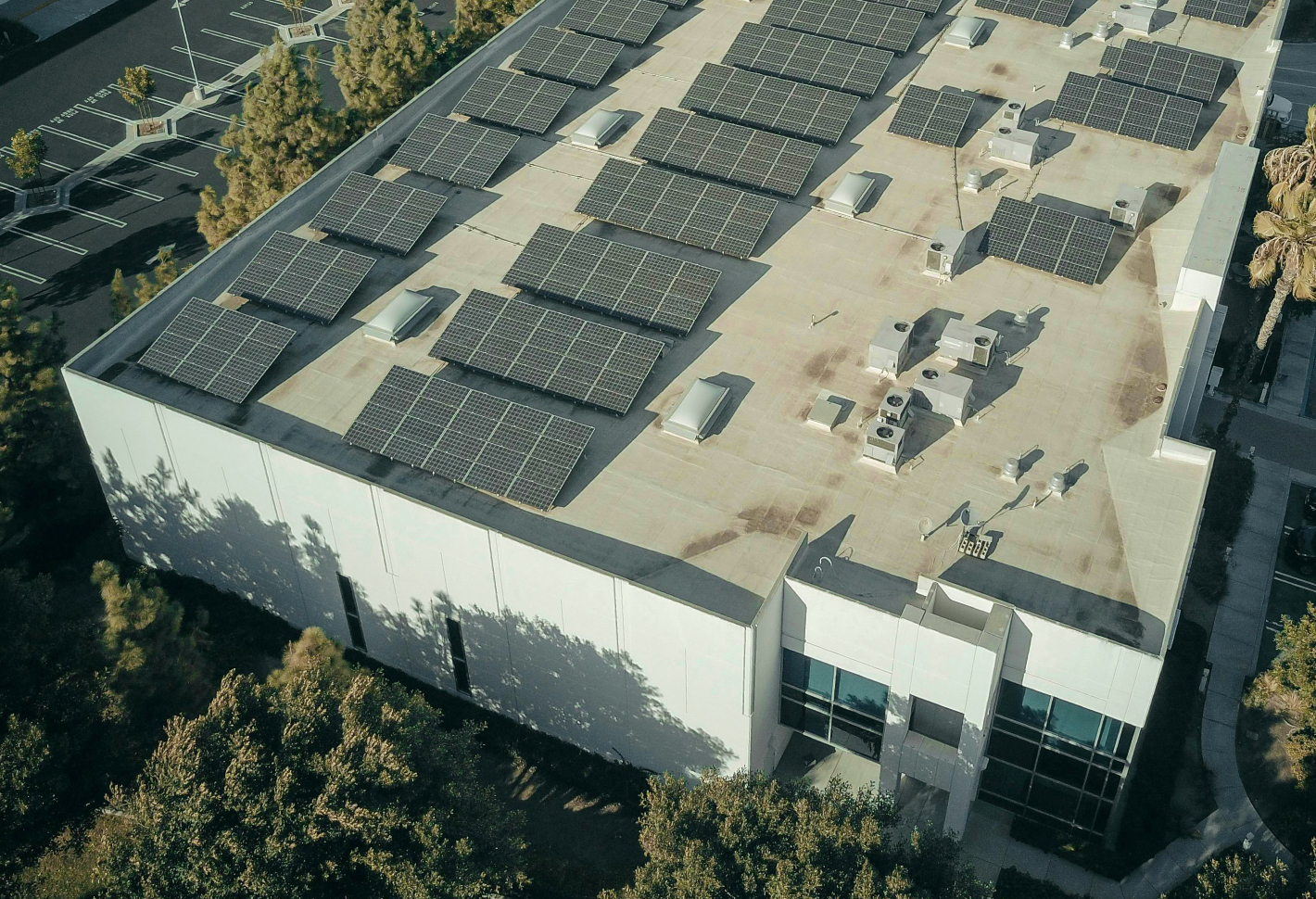
Critical Municipal Facilities
Ava is powering essential city facilities with solar and battery systems that keep critical services running during power outages, while reducing energy costs and increasing local generation.
Program Overview
Ava’s Critical Municipal Facilities program is bringing solar and battery storage to essential city services across Berkeley, Fremont, Hayward, and Livermore. Across eight sites, we’ll install 490 kW of photovoltaic (PV) solar panels and 1.34 MWh of battery storage, generating 778,000 kWh of clean energy in the first year alone.
These systems serve facilities our communities depend on most, including fire stations, community centers, food banks, equipment yards, and city council buildings. They’re designed to keep critical services running during power outages while reducing energy costs and increasing local generation.
Why It Matters
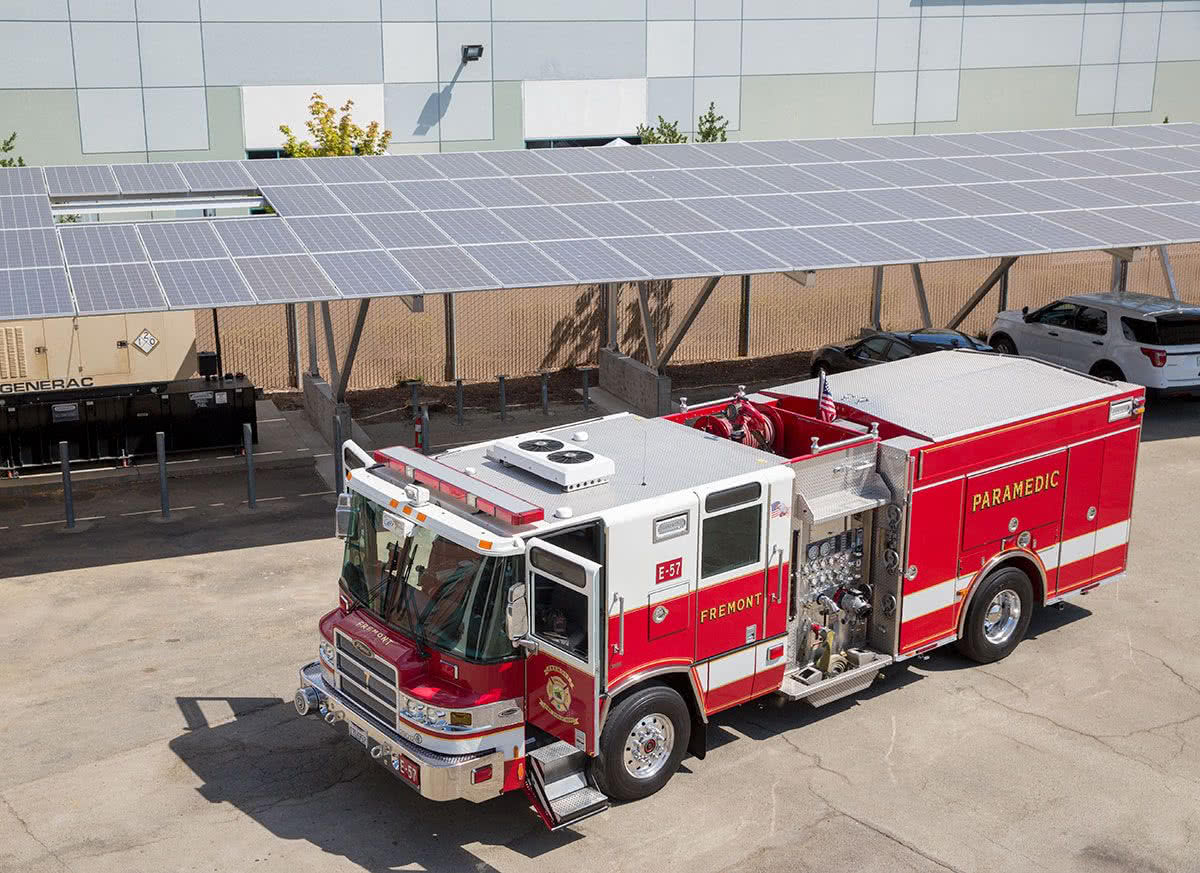
Solar and battery storage systems can help ensure the most important facilities in our community are powered by local, renewable energy and stay open during grid outages.
But local governments face several barriers to installing solar and battery systems. They often lack the time, funding, or technical expertise, and smaller facilities can’t reach the scale needed for bulk purchasing advantages. Similarly, contractors face disproportionately high upfront costs for smaller installations.
The Critical Municipal Facilities program was developed to remove those barriers. Cities benefit from 25-year power purchase agreements with no upfront costs, achieving cost savings compared to maintaining the status quo while gaining resilience benefits and long-term energy price protection.
Current Status
Ava has worked with its member cities to identify critical facilities across our service area. An initial portfolio-level analysis evaluated each site’s natural hazard exposure, community importance, and solar and battery potential, identifying priority locations with preliminary system sizes.
In May 2025, Ava contracted with McMillan Electric, a local contractor using union labor, to build systems at eight municipal sites across four cities. Ava will own these solar and battery systems, which the cities will pay for via power purchase agreements over 25-year terms with no upfront costs to them.
All but one of these projects are scheduled for completion by April 15, 2026, to qualify for NEM 2.0 rates.