How Adaptive E-Bikes Are Expanding Mobility and Independence
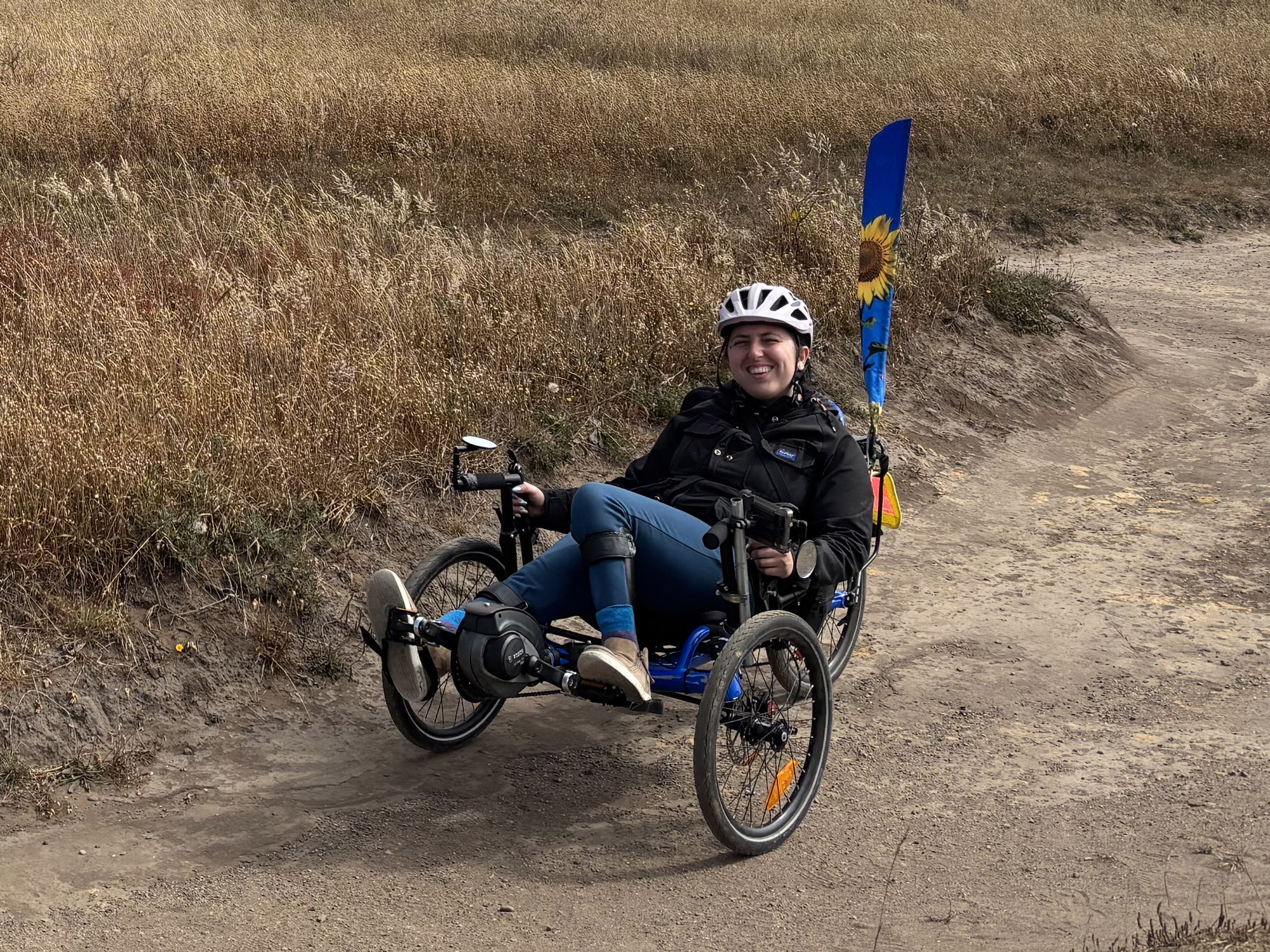
When Sonya Rio-Glick first tried a recumbent e-trike, she discovered a form of mobility she had been searching for her entire life.
“As a disabled person, locomotion is difficult for me,” said Sonya, a Bay Area-based disability justice practitioner and accessibility professional. “I’ve been a part-time wheelchair user, part-time walking person, and both are very tiring for me. Using an e-trike has been the most accessible form of locomotion that I’ve ever experienced.”
Her story reflects a growing movement. Adaptive e-bikes are changing the way people with disabilities get around, expanding what’s possible when it comes to independence, community connection, and quality of life.
A Different Kind of Mobility
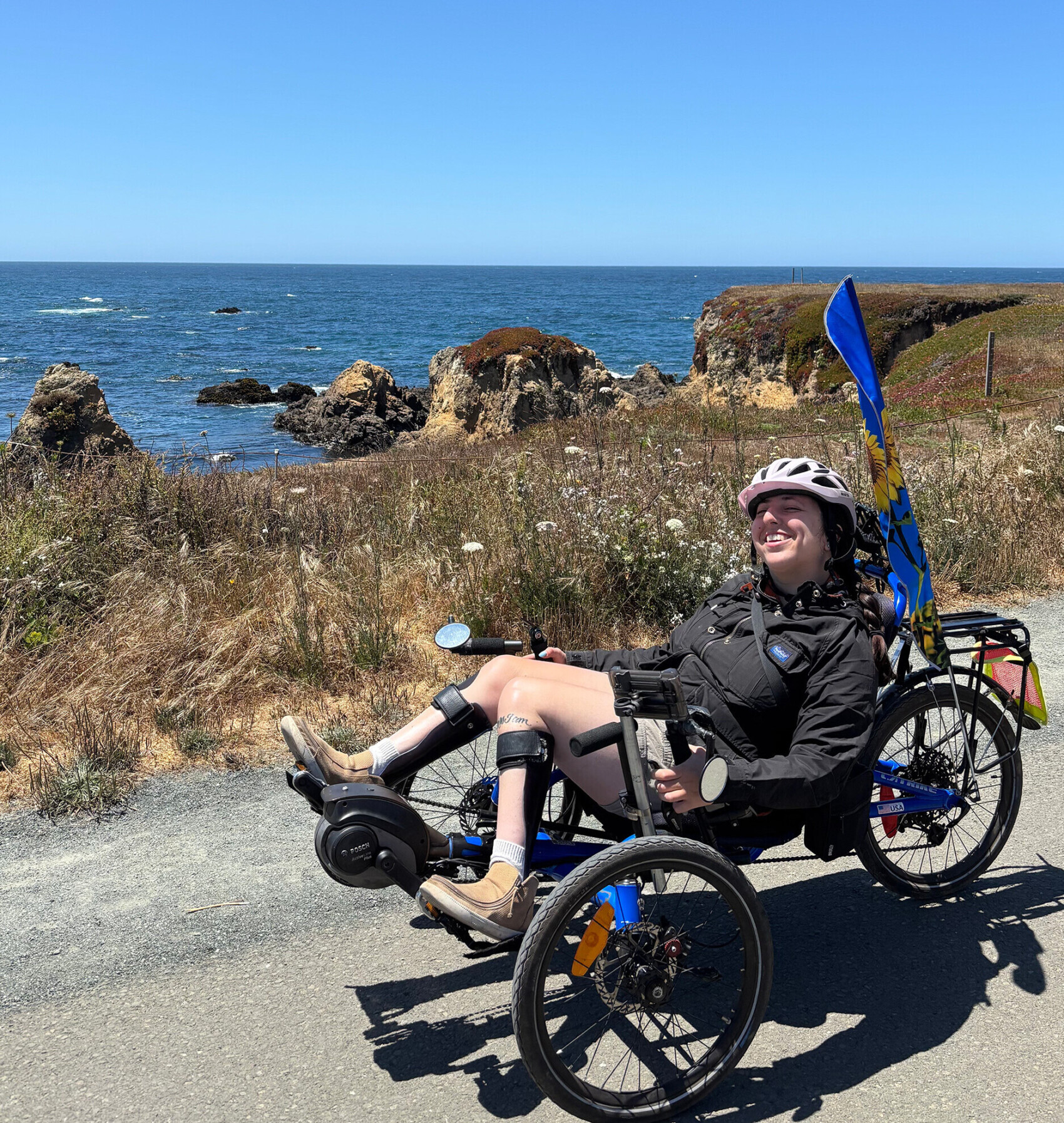
Sonya was born disabled, and spent years trying every mobility aid she could find—manual wheelchairs, power chairs, walking aids, braces. Nothing provided the combination of independence, sustainability, and engagement she was looking for.
That changed when her partner, Tess, introduced her to e-biking. After trying various adaptive bike options at BORP, an adaptive sports and recreation nonprofit in Berkeley, she fell in love with a recumbent e-trike that eliminated the need to balance while providing electric assistance when she needed it. “The electric assist allows me to pedal in a more sustainable way than a traditional bike,” she explained.
“I can go way longer than I can walking, and it feels more engaging than a wheelchair that doesn’t ask me to move my body.”
The impact was immediate. Sonya went from struggling with short distances to easily riding 5-10 miles, then building up to 20-mile rides. She found her legs getting stronger than ever before. Last year, she launched a campaign called Cycling in Solidarity, a fundraising effort in support of three local disability-led organizations; she biked over 300 miles and raised $9,700.
Adaptive E-Bike Options
Today’s adaptive e-bikes come in a variety of shapes and sizes to meet a wide range of needs and abilities.
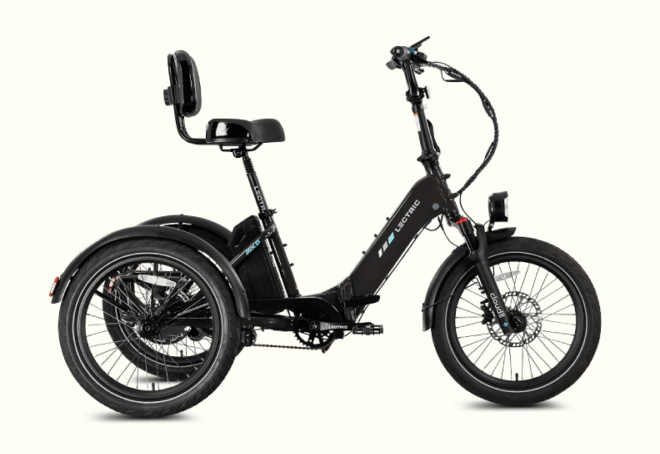
Upright e-trikes (three-wheeled e-bikes)
E-trikes provide stability for riders with balance concerns and work well for carrying cargo or riding with children. Because of their high center of gravity, upright e-trikes are best used at slower speeds, and on smooth roads and paths.
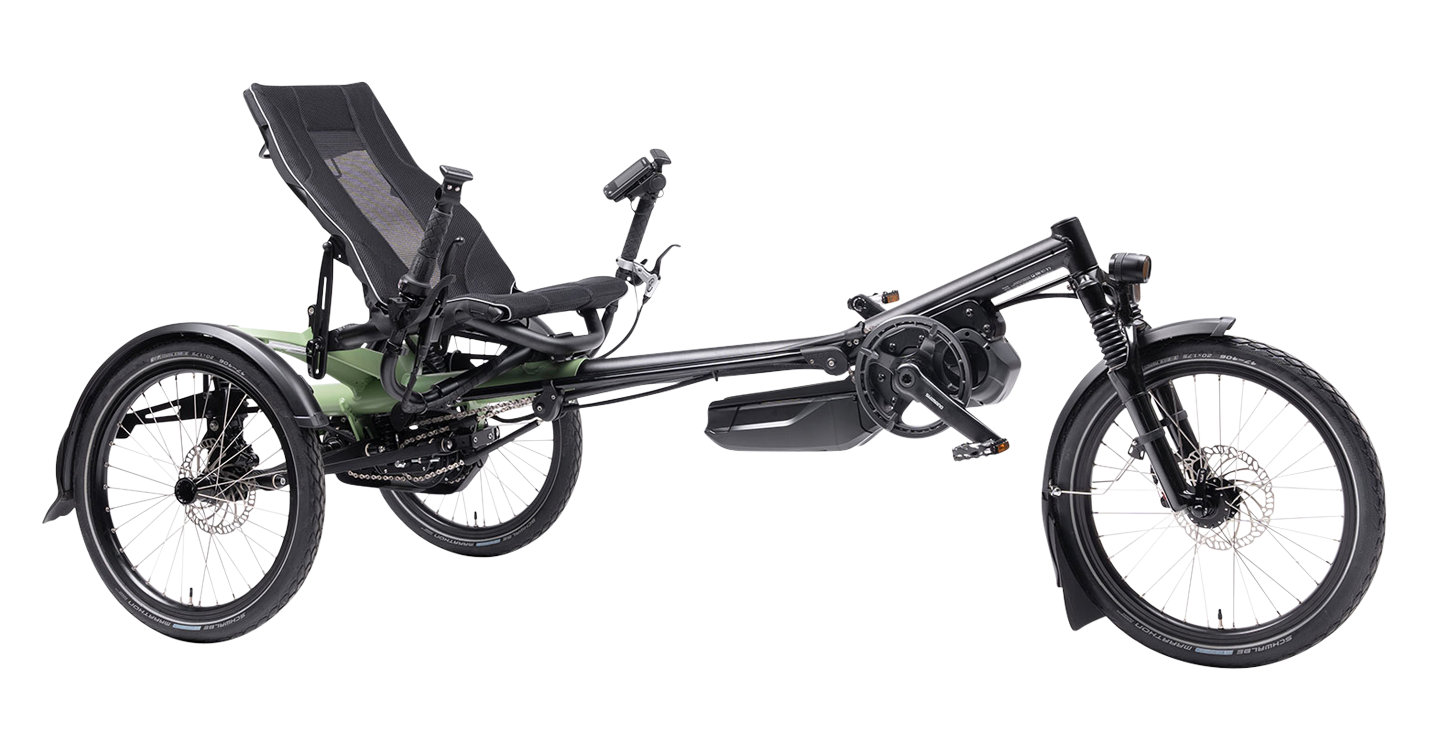
Recumbent e-trikes
Recumbent cycles have three wheels and provide comfort and support for those with back, joint, or balance concerns. They’re also very comfortable for longer rides. Because of their low center of gravity, recumbent e-trikes are much more stable than upright e-trikes and can be ridden at faster speeds and on rougher roads or dirt trails.
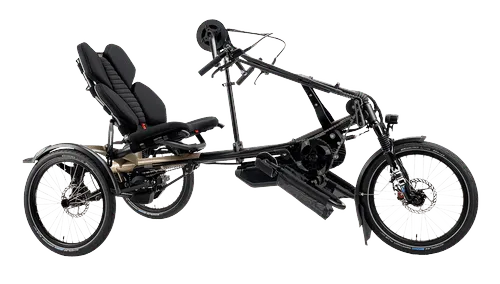
Hand cycles
Hand-cycle e-bikes let riders pedal with their arms, ideal for those with lower-body mobility differences.
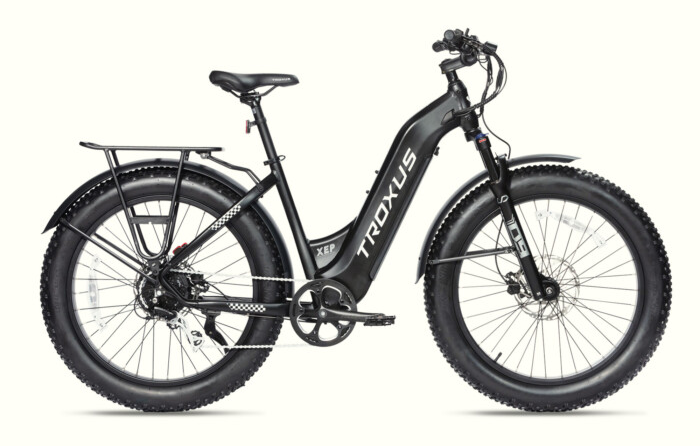
Step-through and low-step e-bikes
A step-through or low-step design can make mounting easier for those with hip or knee limitations.
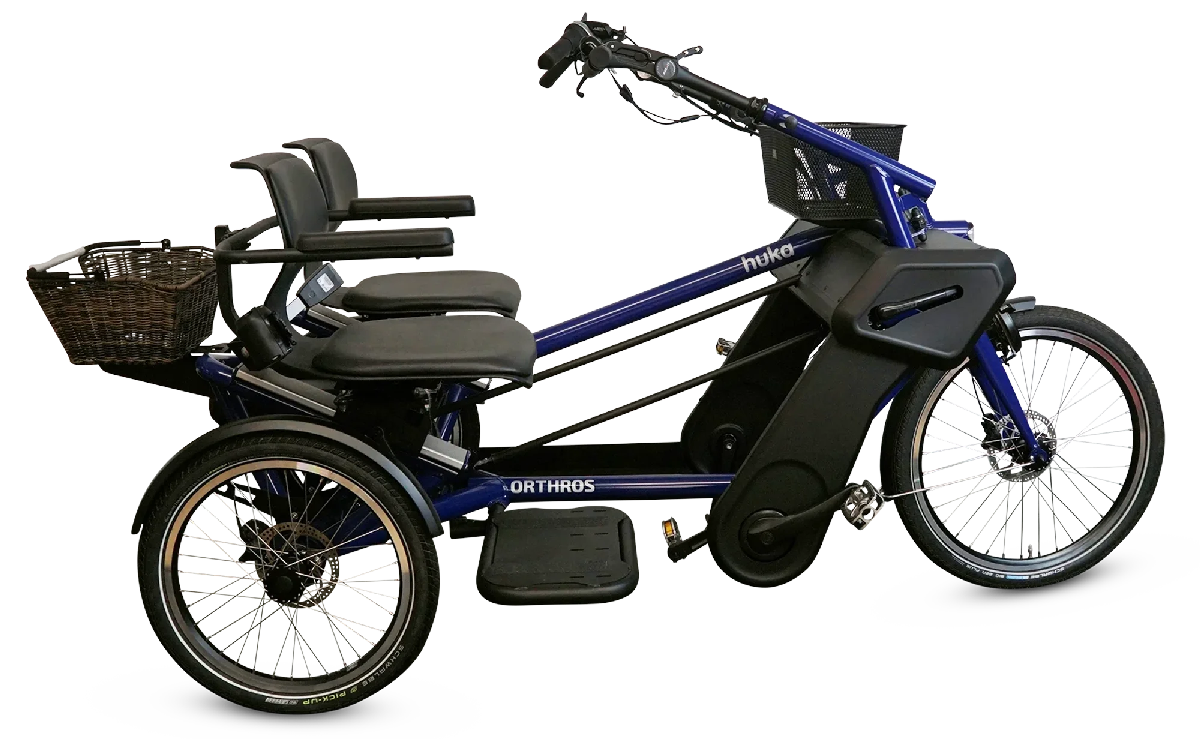
Tandem e-bikes
Tandem e-bikes can support riders with cognitive or visual impairments, or anyone who prefers riding with a companion. Side-by-side tandem trikes—a newer design that seats two riders next to each other—have grown popular with couples and families when one rider has a balance or disability-related need.
The photos above are for illustrative purposes. For a list of options that qualify for an Ava Bike Electric rebate, check the Eligible E-Bike List or call Adaptive Cycles / Bay Trail Trikes.
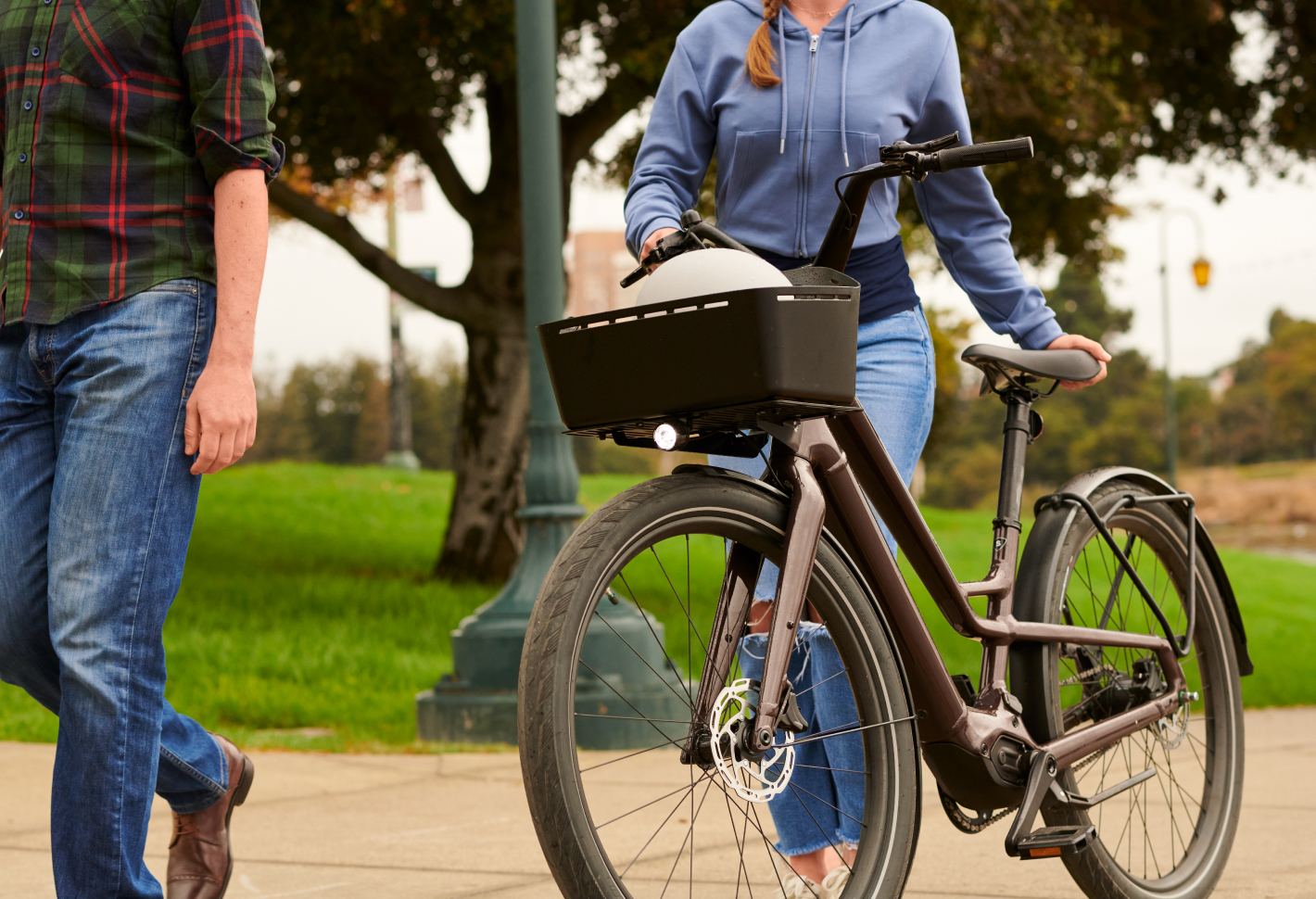
Because of the electric assist, even a standard e-bike can help people with certain injuries, chronic conditions, or disabilities that make traditional bikes difficult to use. Richard, an Oakland resident and Ava Bike Electric recipient, found that an e-bike gave him back his confidence and independence after a severe bicycle accident that left him with a broken hip and femur. “I have severe PTSD as well as mobility issues, and I never thought I’d be able to get on a bike again,” he said. “Now I ride my e-bike every single day: for enjoyment, running errands, attending appointments, and for my mental health in general.”
Getting Started
Finding the right adaptive e-bike takes more than browsing a website or walking into a bike shop. The process is personal.
Greg Milano founded Adaptive Cycles / Bay Trail Trikes after years of running the adaptive cycling program at BORP. He started selling adaptive bikes because people who wanted to buy them had limited options. Here is his advice for anyone interested in purchasing their own adaptive e-bike.
Step 1: Talk to a Specialist
With so many configurations available, it helps to talk through your abilities and goals with someone who knows the field. Greg’s process starts with a 30-minute phone call to understand the rider. Whether you need to pedal with your hands or legs, whether you want to cruise around the neighborhood or keep up on long group rides, this conversation determines which bikes are worth trying and what your budget might look like.
Step 2: Try Before You Buy
With a clearer sense of your needs, the next step is getting on a bike—ideally several, across more than one session. This is where BORP is especially valuable. The Berkeley cycling center serves 350-400 people annually, helping riders try different adaptive bike types to find the right match (though their inventory is primarily non-electric). “We serve people from as far away as Stockton, San Jose, and sometimes even Reno,” said Leo Siecienski, Director of Cycling and Kayaking at BORP. The center is open on Tuesdays and Thursdays from 4-7 p.m. and on Saturdays from 10 a.m.-2 p.m.
Multiple sessions matter because new adaptive cyclists tend to progress quickly. “The type of bike that works for your first few rides may not be the type you want long term,” Greg said. Coordination builds, strength develops, and a bike that felt like the only comfortable option early on can start to feel limiting within a few weeks. Riding multiple times and trying different configurations as your abilities grow leads to a much better match when it’s time to buy.
Sonya experienced this firsthand. At BORP, she practiced on a non-motorized recumbent tricycle multiple times before realizing that she wanted the ability to go farther with less effort. “I can ride a non-electric bike if I need to, but I prefer to have the electric assist. I’ve spent my entire life struggling with mobility; why keep struggling when I don’t have to?”
Step 3: Plan for the Practical Stuff
Before committing to a purchase, it’s worth thinking through where you will store your bike, how you’ll move it, and where you can charge the battery. Adaptive e-bikes—particularly trikes and hand cycles—are larger and heavier than standard two-wheeled bikes. They may not fit in your home, and can be difficult to lift and transport in a standard car or on a typical bike rack. It’s worth thinking through these environmental factors before you fall in love with a particular model.
Step 4: Find Your Perfect Bike
Most adaptive bikes are configured to fit the rider rather than pulled directly off the shelf. So when you’re ready to make a purchase, it may require a special order.
“I would need an entire warehouse to be able to keep all the different bike configurations in stock all the time.”
– Greg Milano, Adaptive Cycles / Bay Trail Trikes
The process typically takes four to eight weeks from the first conversation to the final bike. But the result—a bike built for the rider’s abilities, needs, and goals—should be worth the time and financial investment.
Barriers to Accessibility
Sonya often reflects on timing: “I’m so thankful I was born in a time when e-bikes are available. I don’t think I’d ever be able to ride a traditional bike and gain the kind of mileage I’ve been able to achieve with an e-trike.” At the same time, some barriers remain.
Physical Infrastructure

Sonya’s apartment building has stairs. Because of her housing situation and the e-trike’s size and weight, it takes two people to get it out of her apartment and into the street. “Even though I live in the Bay Area and it’s more bike-friendly than other places, there’s still a huge barrier to being mobile on my own,” she said.
Greg adds, “There are a lot of people who would love riding an e-bike, but they live in places where it’s impossible for them to store the bike or get it in and out of their home. That’s one of the reasons why programs like BORP are so valuable—they can ride a bike without buying their own.”
Cost
Adaptive e-bikes typically cost more than standard e-bikes. The adaptive e-bikes that qualify for the Ava Bike Electric rebate start at around $1,600, and some models can cost over $10,000. Ava Bike Electric offers larger rebates for adaptive e-bikes than for standard e-bikes, to help bridge this gap, but the significant investment is why experts recommend test-riding different options, talking to community members, and taking your time with the decision.
Availability
The right adaptive e-bike for you isn’t necessarily waiting for you on a bike shop floor. As Greg explained, the variety of configurations is too wide for any shop to stock comprehensively. Most adaptive e-bikes are ordered specifically for the rider’s abilities, needs, and goals.
Ava Bike Electric participating shops are equipped for exactly this kind of process, with trained mechanics and staff who can answer questions over the phone, help place orders, and arrange test rides.
For full-time wheelchair users, options remain limited. One option is from Bunch Bikes, which remodels their standard bike for no extra charge to hold a wheelchair. This e-bike qualifies for the Ava Bike Electric rebate and can be special-ordered from The New Wheel.
There are also some emerging innovations: Rio Mobility in Berkeley makes electric attachments for manual wheelchairs, converting them into motorized e-scooters. “For someone who uses a manual wheelchair, this is probably one of your best resources,” Leo noted. These devices aren’t eligible for the Ava Bike Electric program because they aren’t technically e-bikes. But there may be other incentives or programs that support these purchases—check out the Kelly Brush Foundation, NorCal Spinal Cord Injury Foundation, or your local Veterans Association or Regional Center for resources.
In the first nine months of Ava Bike Electric, 101 participants purchased an adaptive e-bike at our participating bike shops.
A Vision for the Future
Sonya’s story shows what’s possible when clean energy technology meets community support. Her e-trike opened up new possibilities for health, independence, and her own advocacy work.
“Any movement is good movement, especially for disabled people,” she reflected. “Even if you’re just using one of those stationary hand cycles where you’re not actually going anywhere, that’s also meaningful movement.”