
Types of Electric Vehicles: BEV vs. Hybrid vs. Plug-In Hybrid
If you’re thinking about buying your first electric vehicle, you’ve probably already discovered that “electric vehicle” doesn’t just mean one thing. There are three main types of electric vehicles—battery electric vehicles, hybrids, and plug-in hybrids—and the right fit depends on where you live, how you drive, and where you can charge.
Coming soon: Extended Range Electric Vehicles (EREV)
The next generation of electric vehicles operate similar to plug-in hybrids, but with a much larger battery and no transmission. There are currently no EREVs on sale in the United States, but new models are expected this year.
Quick Comparison: BEV vs. HEV vs. PHEV
| Vehicle Type | Fuel Type | Charging Needed? | Typical Electric Range | Emission Impact | Best For |
|---|---|---|---|---|---|
| Battery Electric Vehicle (BEV) | Electricity | Yes | 200-500+ miles | Zero tailpipe emissions | Drivers ready to go all‑electric |
| Hybrid (HEV) | Gas and electricity | No; the battery recharges through regenerative braking or via the gas engine | 1-2 miles of non-driver controlled electric range | Lower than gas cars, but still produces tailpipe emissions on every trip | Drivers with long or unpredictable daily mileage |
| Plug-in Hybrid (PHEV) | Gas and electricity | Yes; recommended to charge every night to maximize electricity use for daily driving | 15-20 miles | Low emissions for short trips; emissions increase when gas engine is used | Short daily trips plus regional travel |
Now let’s look at each vehicle type and the pros and cons of each for drivers living in the East Bay and San Joaquin County.
Battery Electric Vehicles (BEV)
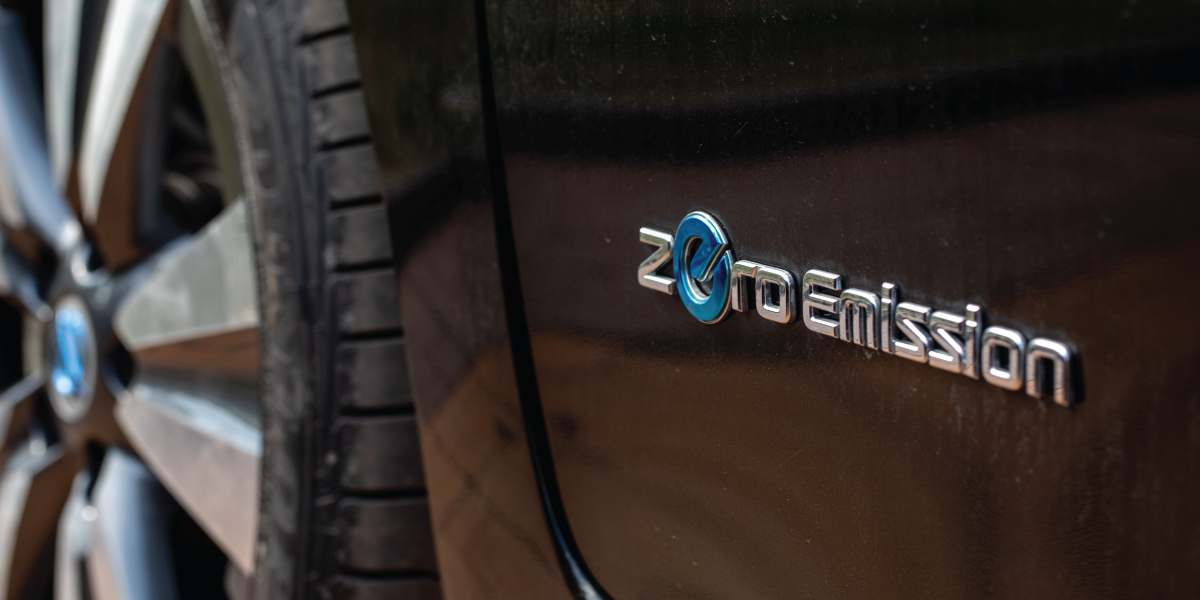
Battery EVs run solely on electricity, and are suitable for drivers with reliable home or public charging options. These drivers may have predictable weekly driving mileage and can plan out when and where they can charge.
Pros
Battery EVs offer the most complete break from gas, which means zero tailpipe emissions, lower long-term fuel costs, and no oil changes or trips to the gas station. For drivers with reliable charging access and predictable daily mileage, they’re increasingly the practical choice, not just the idealistic one. According to recent independent studies, the total cost of owning an EV over 7 years is more than $8,000 less for a mid-size SUV compared to an equivalent gas car.
BEVs are ideal for daily commutes, errands, and school drop-offs. And with over 9,700 charging ports in Alameda and San Joaquin counties, it’s easy and convenient to charge on the go.
There are more incentives available for purchasing BEVs, compared to PHEVs and hybrids. New BEVs qualify for the California Air Resources Board’s MyFirstEV program, and you can also search Ava’s incentive finder for more options.
Cons
There are lifestyle changes that drivers may need to get used to. You need to plan your charging schedules to keep your car charged between 20% and 80%, which helps to prolong the car’s battery life. You should also get to know your electric bill and sign up for a PG&E rate plan designed for EV owners to ensure you’re paying the lowest price to charge your vehicle at home.
For convenience, you may want to install a Level 2 charger at home. This requires an available 240V outlet in your garage or driveway. It’s also recommended to ask a qualified electrician to assess your home’s electrical system to determine what you may need to upgrade to support home fast charging.
Hybrid Vehicles (HEV)
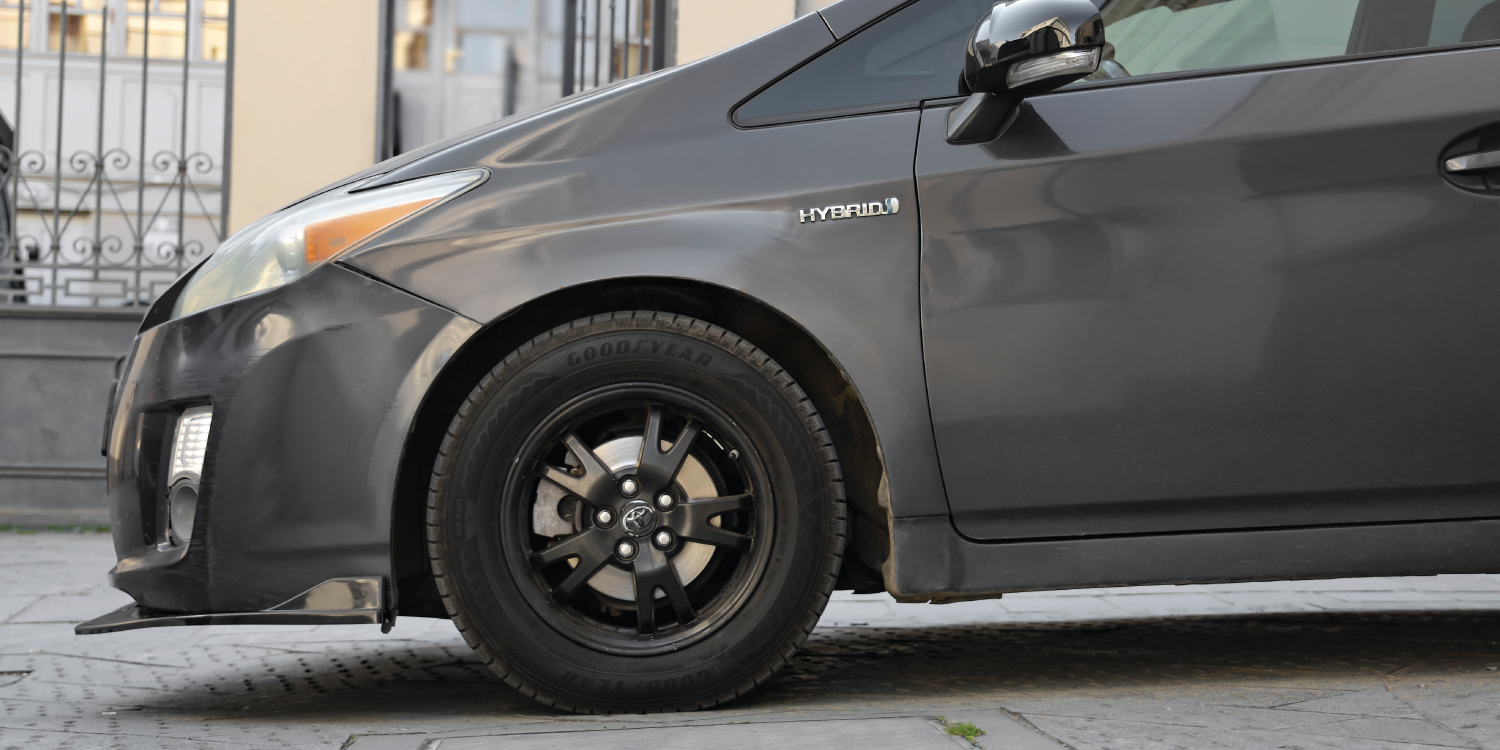
Hybrid vehicles are primarily gas-powered, but use the electric motor as an assist for driving short distances and at low speeds. They also use a battery for auxiliary loads and to reduce engine idling when stopped. Hybrids may suit drivers living and commuting in San Joaquin County, where commute distances may be long with fewer public chargers available (but this will likely change as businesses and communities use regional incentives, such as San Joaquin’s Charge Up! incentive program to install new fast chargers). A hybrid may also be best for drivers without easy access to charging at home.
Pros
Drivers of hybrid vehicles don’t have to remember to plug in their cars to charge (although they still need to fuel up at a gas station). Hybrid vehicle owners can also save a little on gasoline costs. For example, a driver living in Oakland with a 2025 Ford Escape ST-Line Hybrid could save $526 a year in gas costs compared to a neighbor driving the pure gas equivalent, 2025 Ford Escape, according to a comparison using the U.S. Department of Energy’s tool.
Cons
The downside is that drivers still need to rely on gasoline. Compared to all-electric vehicles and plug-in hybrids, hybrid vehicles provide the least emissions reduction because of their reliance on gasoline. They’re also least likely to be eligible for state or regional incentives or rebates. Plus, California continues to have the highest gas prices in the nation.
Plug-In Hybrid Vehicles (PHEV)
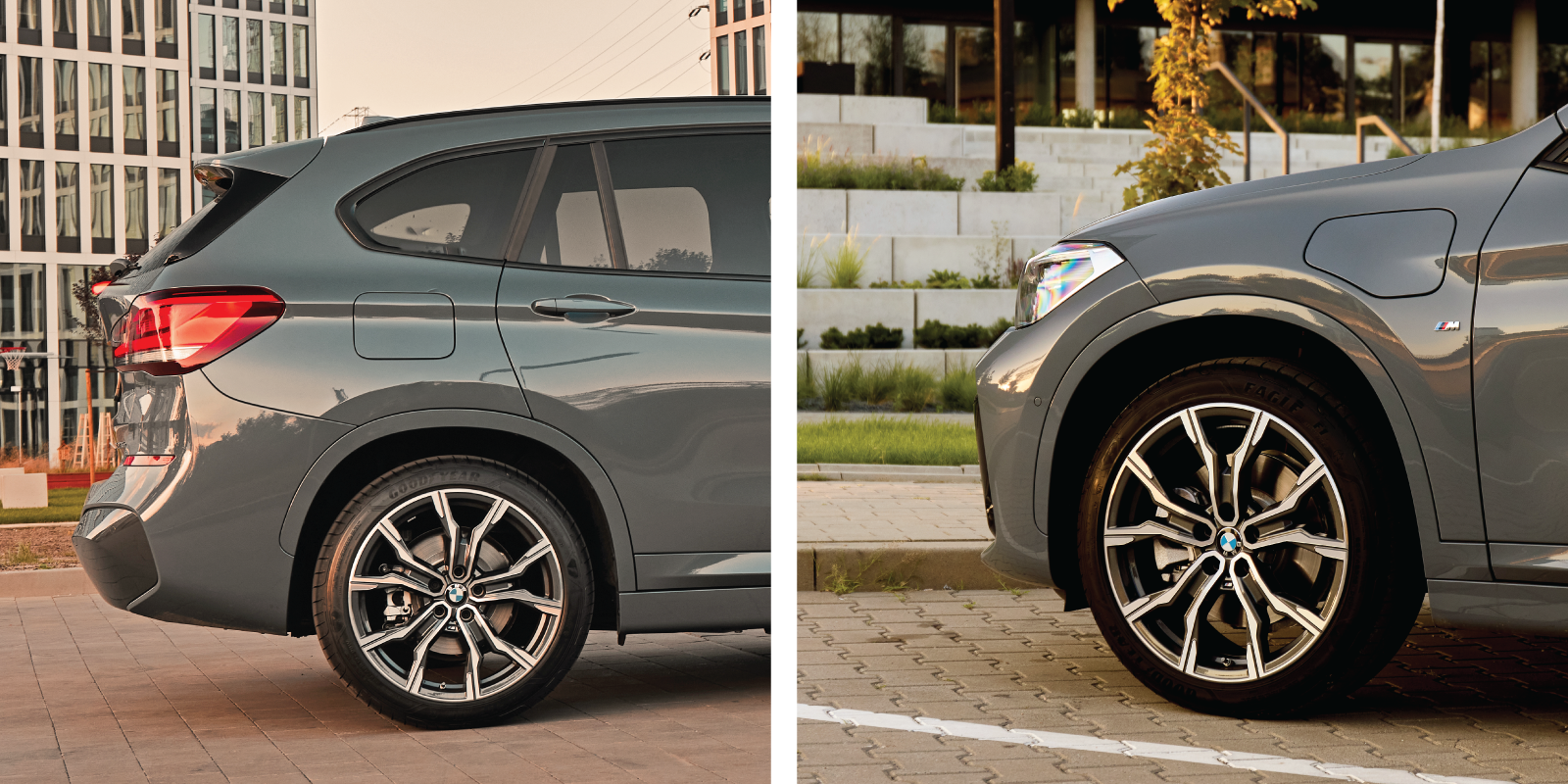
A PHEV uses a battery to power an electric motor, and gas or diesel to power an internal combustion engine (ICE). Battery power is used for short commutes and ICE used for rapid acceleration, long trips, and intensive heating or air conditioning. Plug-in hybrids best suit drivers with a garage or driveway where they can easily charge at home. They may be suitable for families splitting time between local driving and highway trips, and are a great transition toward full electrification.
Pros
Plug-in hybrids may be a strong middle ground for drivers with short daily trips and longer regional travel. Most daily errands, work commutes, and school runs can be fully electric, while longer road trips can be done using gas. They work well where home charging is available and public charging is limited.
Compared to hybrids that run primarily on gasoline, plug-in hybrids are eligible for more incentives and rebates that could lower the cost of buying new vehicles. Check for the savings and rebates you might be eligible for based on your zip code using Ava’s incentive finder.
Cons
Plug-in hybrids still use gasoline, especially for long trips, so drivers will need to remember to charge the car and fill up at the gas station. Hot summer driving may reduce electric range slightly, and this could be a consideration for drivers living or commuting inland.
If you’re considering an EV, there are likely incentives available to help with the cost. Use Ava’s incentive finder to see what rebates and credits you may qualify for, and take the next step toward driving electric at whatever pace makes sense for you.
Frequently Asked Questions
What is the difference between a hybrid and a plug-in hybrid?
A hybrid (HEV) never plugs in. Its small battery recharges through braking and the gas engine, and gasoline is always the primary fuel. A plug-in hybrid (PHEV) has a larger battery you charge at home or at a public charging station, so short trips can run entirely on electricity before the gas engine takes over./
How does a plug-in hybrid work?
A PHEV starts each trip on battery power and switches to its gasoline engine when the battery is depleted or when the car needs rapid acceleration or intensive heating and cooling. Charging every night gives you roughly 15 to 20 miles of electric range for daily driving.
Is a hybrid or an electric car better?
It depends on your charging access, daily mileage, and priorities. If you can charge at home or near work and your driving is predictable, a battery electric vehicle is usually the lower-cost choice, plus it has zero emissions. If you drive long or unpredictable distances without reliable charging, a hybrid may fit better today.
What is an extended range electric vehicle (EREV)?
An EREV works like a plug-in hybrid but with a much larger battery and no transmission. There are currently no EREVs on sale in the United States, though new models are expected soon.
Do hybrids and plug-in hybrids qualify for California EV incentives?
California’s MyFirstEV program only covers zero-emission EVs, so PHEVs and hybrids do not qualify. However, there may be other local incentives available—check what applies to your ZIP code with Ava’s incentive finder.