
New EV Driver Checklist: 4 Things To Do in the First Month of EV Ownership
Adjusting to owning your first electric vehicle (EV) might seem like a bigger task than it is in practice. Most new EV drivers find that within a few weeks, the things they were unsure about—charging logistics, schedules, range—start to feel routine.
But there are still a few lifestyle changes to get used to, and things to know that aren’t obvious. Here are 4 things every new EV owner needs to know in their first month to ensure years of happy driving.
1. Set Up Your Home Charging
There are two ways to charge at home: using a Level 1 (L1) charger, which plugs into a standard 120-volt AC household outlet, or installing a Level 2 (L2) charger, which requires an available 240-volt outlet.
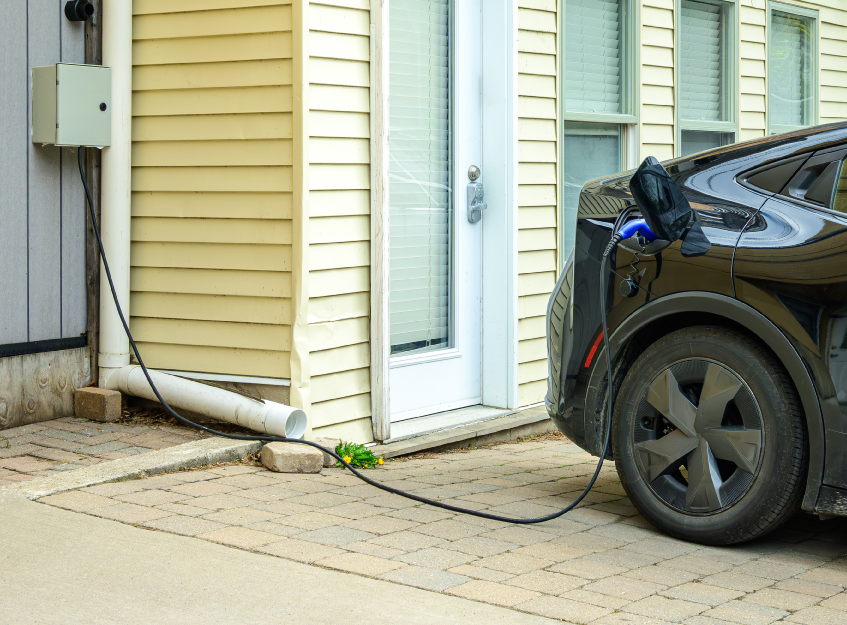
Most EVs should come with an L1 charger—check for this before you drive it home. If it doesn’t, you can order one from the car’s manufacturer. L1 chargers can deliver 30-50 miles of range overnight, which is enough for most commutes. Just plug the charger into a standard outlet overnight, and you’ll wake up with enough charge to get you to work and back.
An L2 charger is also a popular home charging option for EV drivers, because it provides a much faster charge than an L1 charger. An L2 charger delivers 15-30 miles of range per hour of charging, which means it generally takes 4-10 hours to charge a standard EV from 0% to 80%. It requires the purchase of a wall-mounted charger and it’s recommended that a qualified electrician does the installation. Veloz, a nonprofit organization that provides public education about EVs, offers a list of home chargers available in your area, including the total cost and incentives available.
2. Switch to an EV Rate Plan
Now that you have an EV, you’ll want to make sure your electricity rate plan is working for you. PG&E offers two time-of-use (TOU) rate plans designed for residential EV owners: EV2-A and E-ELEC. (There is a third option, EV-B, but this rate requires a dedicated EV meter installed separately from your home meter. We don’t recommend this for first-time EV owners.) These TOU rates have off-peak, partial peak, and peak hours—you’ll save the most money by scheduling your charging during off-peak times, when demand is the lowest.
To switch rate plans, log into your PG&E account or call PG&E at 1-877-660-6789.
You don’t have to set a calendar reminder to manually charge your car during off-peak hours. You can set a charging schedule in the car’s settings or through your L2 charger, if it has a scheduling function via an app. Because the car may override the charger scheduling, it’s best to schedule either through the car or the charger—not both.
Ava customers can optimize their charging even further with Ava SmartHome Charging. This program automatically schedules charging when renewable energy is available and grid demand is low, plus gives financial incentives for participation. It’s one of the easiest ways to reduce your charging costs and carbon footprint without thinking about it.
3. Learn How to Manage Your Battery
EV batteries are built to last, but one simple rule of thumb can help them last even longer:
Always aim to keep your EV charged between 20% and 80% for everyday use.
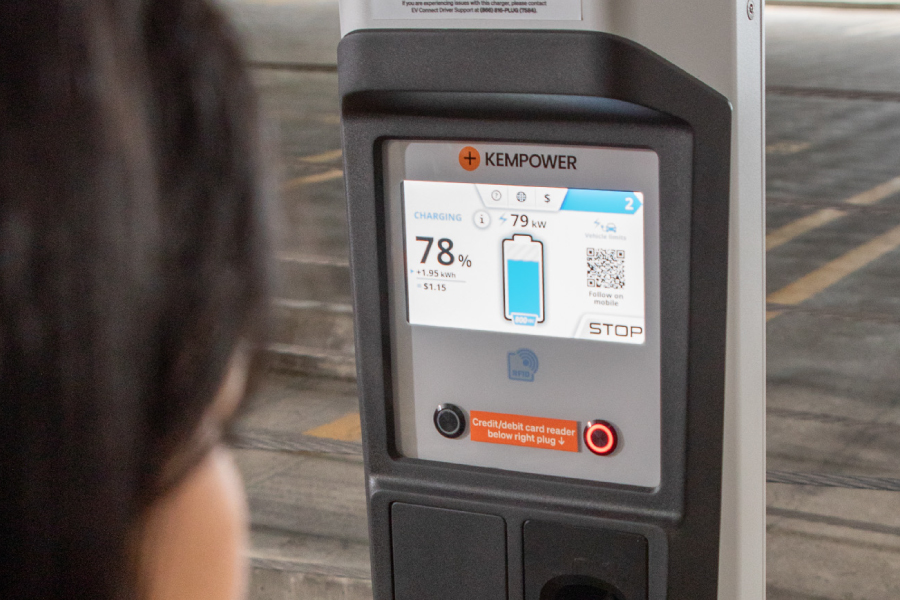
Regularly draining the battery below 20% means the car can’t continue powering the onboard electronics and may damage them over time. On the other hand, keeping it at a very high state of charge stresses the battery and accelerates chemical degradation within it. You can charge to 100% before a long road trip, but you don’t need to top up every night.
Plus, charging speed slows down after 80%, so if you’re at a public fast-charging station, refrain from charging past that threshold. Charging from 80% to 100% takes significantly longer than charging up to 80%. Not only will you maintain your battery health, you’ll also save time.
4. Find Your Public Charging Options
Home charging covers most day-to-day driving, but knowing where to charge when you’re out makes your journey feel easier and more flexible. Public charging is easier and more available than most new EV drivers expect. As of September 2025, there were 68% more EV chargers than gas nozzles in California.
Tools like PlugShare, Google Maps, or your car’s built-in navigation can help you locate charging stations easily along your route. For anyone living or working in Downtown Oakland, Ava Charge is one option.
The first month of EV ownership does require a few new habits and practical things to set up. But once the basics are in place, everything becomes routine pretty quickly, and you’re part of a large and growing community of drivers who have made the switch.
Frequently Asked Questions
How long does it take to charge an EV at home?
With a Level 1 charger plugged into a standard 120-volt outlet, expect 30 to 50 miles of range added overnight. A Level 2 charger on a 240-volt outlet delivers 15 to 30 miles of range per hour, so a standard EV takes roughly 4 to 10 hours to go from 0% to 80%.
What is the difference between a Level 1 and a Level 2 charger?
A Level 1 charger plugs into a standard household outlet and usually comes with the car. A Level 2 charger is a wall-mounted unit that needs a 240-volt outlet and professional installation, and it charges several times faster.
Should I charge my EV to 100%?
Not as a routine. Sitting at a high state of charge stresses the battery and speeds up degradation. Keep your charge between 20% and 80% day to day, and charge to 100% only just before a long trip.
Which PG&E rate plan is best for EV owners?
PG&E offers two main time-of-use plans for residential EV owners: EV2-A and E-ELEC. These rate plans have off-peak, partial peak, and peak hours where electricity prices vary based on demand. Find the best rate for you using PG&E’s EV Savings Calculator.
How long does an EV battery last?
EV batteries typically last 15-20 years. Battery capacity declines gradually over time rather than failing suddenly, and ranges on newer models are considerably longer than on early EVs. Charging habits matter: staying in the 20% to 80% window and following manufacturer guidelines helps preserve capacity.