What It’s Like To Own an EV Without Home Charging
Electric vehicles can save you money over time on gas and maintenance, and they’re the best choice for reducing tailpipe emissions. But if you don’t have a garage, driveway, or a dedicated outlet to charge at home, it makes sense to wonder whether you can realistically own an EV.
The good news is that, with plenty of public charging stations available, it’s completely possible to own an EV without home charging. V Gerber, a product manager at Ava who lives in an Oakland apartment with street parking, knows this firsthand.
V and their wife are now on their second EV—a Kia Niro they’ve had since 2023—and they rely entirely on public charging. Their combined weekly mileage is between 75 and 100 miles: a twice-weekly work commute, local errands, and occasional weekend trips to visit family or go hiking.
Here’s what their experience as an EV driver without home charging actually looks like.
Where Do You Charge, and How Do You Find Stations?
There are plenty of charging stations near V’s apartment, so finding an available charger when they need it usually isn’t a problem.
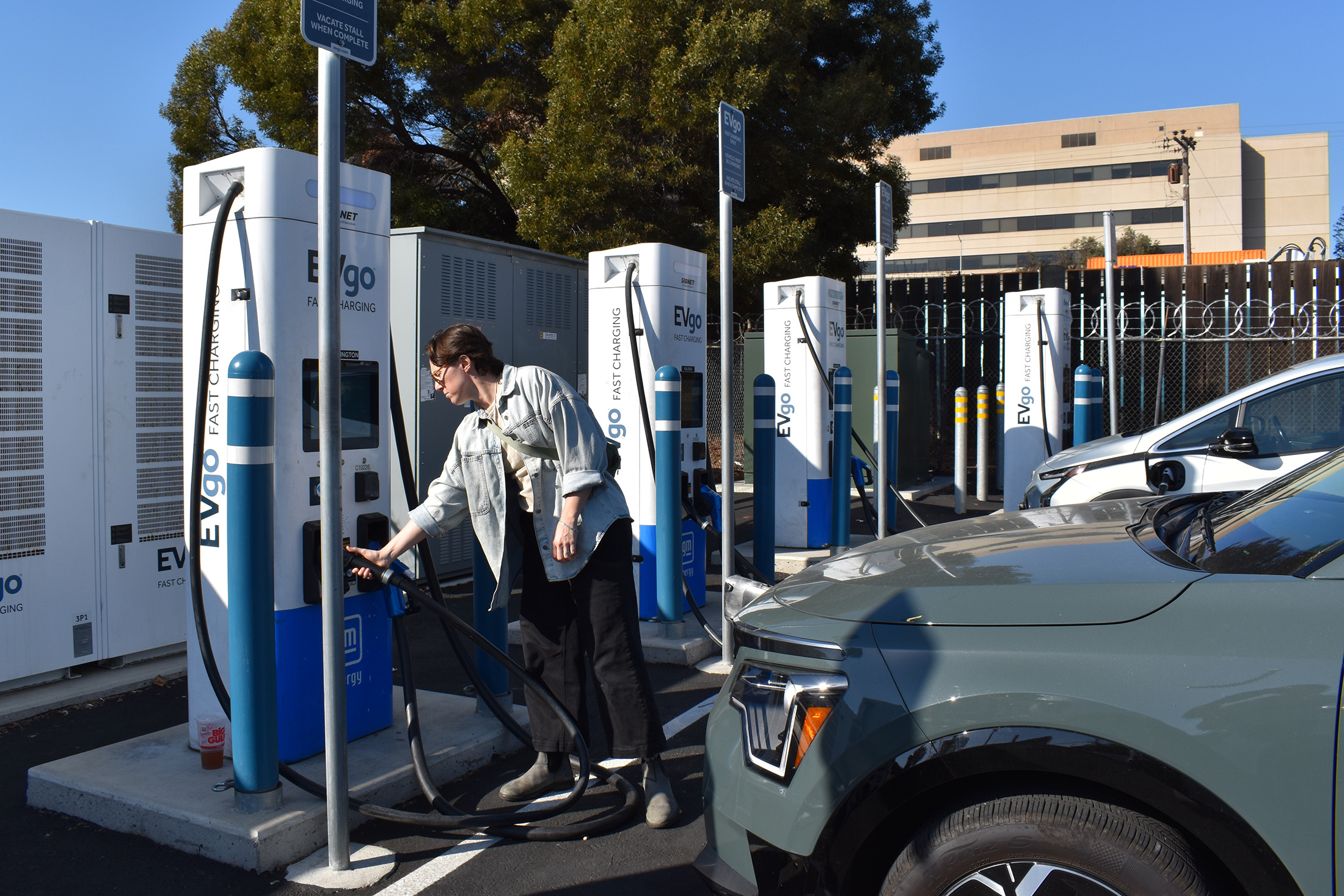
“There are some EVgo fast chargers at three nearby grocery stores, and an Electrify America station close to Lake Merritt in Oakland, which is where we charge most often,” V says. There are also two Level 2 (L2) plugs that the City of Oakland has installed in a public lot near where they live, which take longer to charge but are sufficient when they are not in a hurry. And a little further away in downtown Oakland, there’s Ava Charge, which is the largest non-Tesla fast charging station in Northern California.
To find stations, PlugShare is V’s primary tool, with Google Maps as a backup. Both options provide information about the different types of plugs a station has, charging speed, and how many are available. The sites also show customer reviews and experiences, which can be helpful to read before deciding on a station.
“Maps like PlugShare do take some getting used to,” V says. “There are many pieces of information to consider when deciding where you’re going to charge, when, and why. At first, it took me a while to figure out where all the information was and to fine-tune the filters for my needs.” But once you get used to it, you can find an available plug at any time, whether already on the road or before you leave the house.
How Often Do You Need to Charge?
Less often than you might expect. With an EV that has close to 300 miles of range, V and their wife charge about once a week. “That can easily turn into every other week with no concern,” V says.
How Long Does Charging Take?
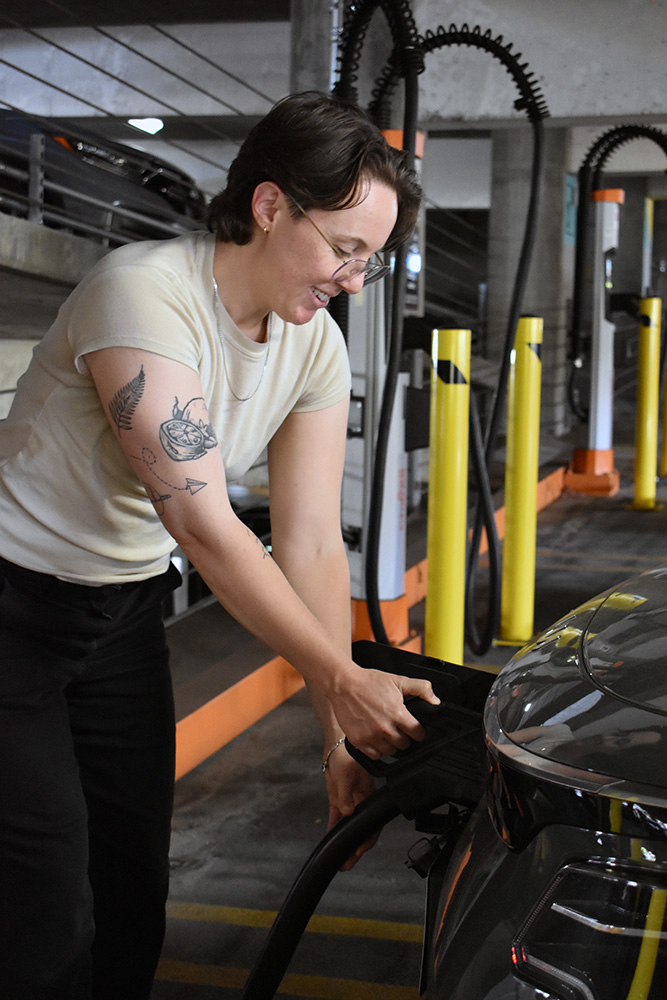
Charging speed depends on the car you have and whether the plug is L2 or a direct current (DC) fast charger. For V’s Kia Niro, it takes about 20 minutes to charge the car from 40% to 80% with a DC fast charger. Charging slows down after 80%, so it takes an additional 30 minutes to get from 80% all the way to 100%.
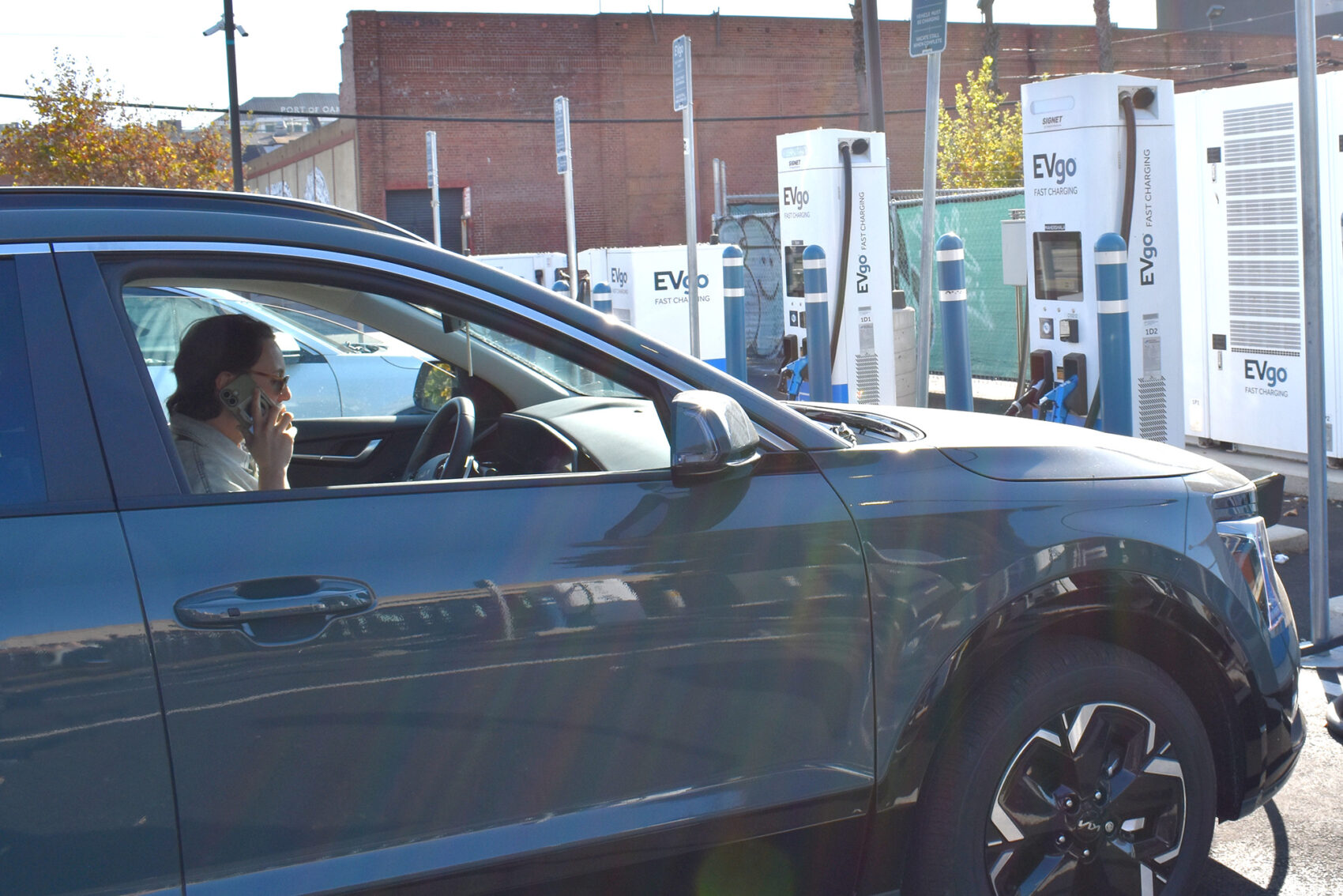
V typically charges their battery a little past 80%. “Sometimes I bring a book and read, or I call my grandma,” they say.
How Low Do You Let the Battery Run Down Before Charging?
V starts planning their next charge once the battery gets to 25%. “I don’t like to go much below 15% because I can’t always bank on a charger being available,” V says. “If I’m going to spend time driving somewhere and 30 minutes charging, I need to know a plug is going to be there.”
Do You Consider Peak Hours When Planning Your Charge?
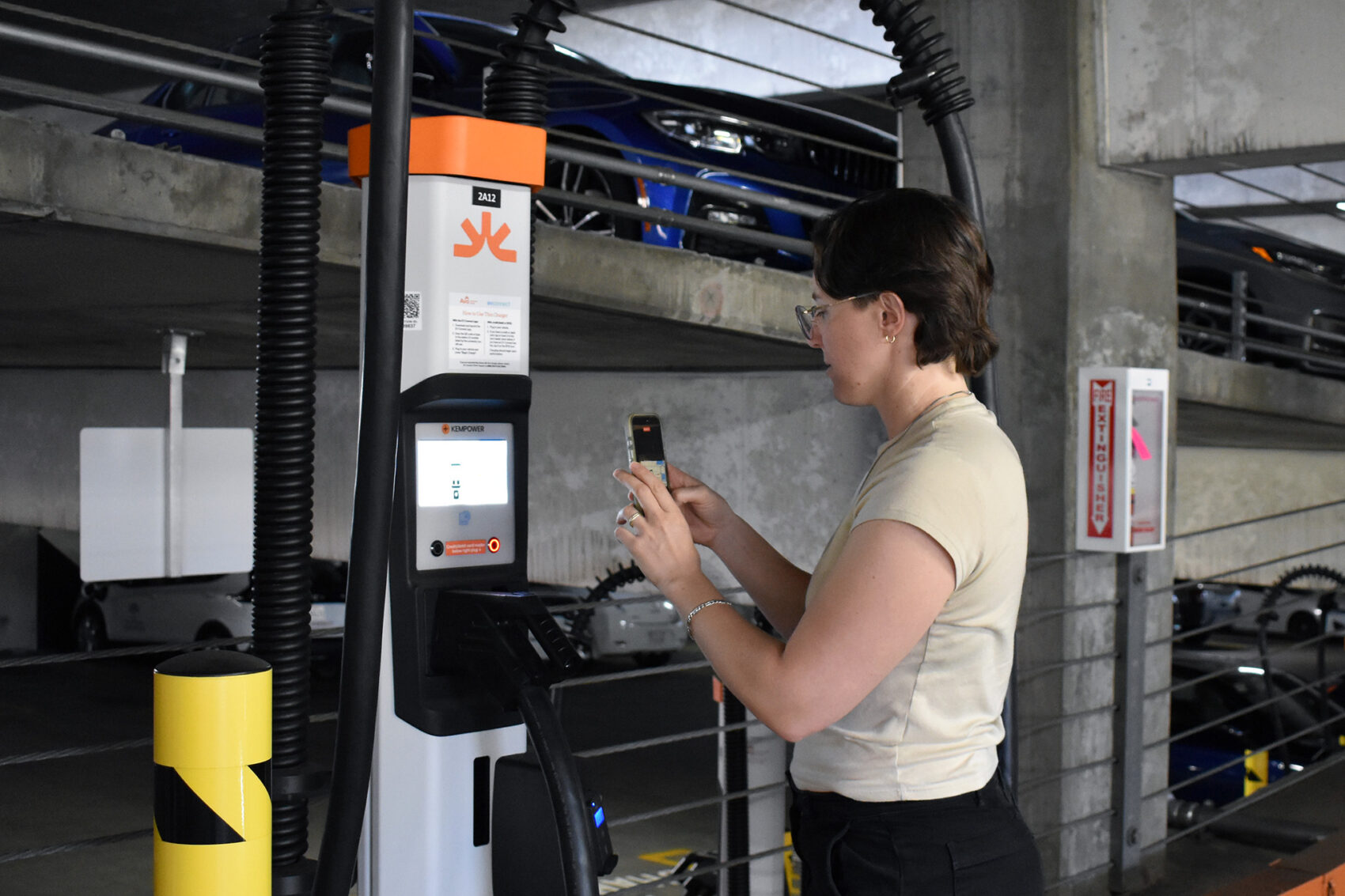
Yes, but it’s simpler than it sounds. Public charging rates are set by the network operator, whether that’s EVgo, Electrify America, Tesla, Ava Charge, or a different entity. They generally follow the same peak hours as home electricity: cheapest in the morning, a little more expensive in the afternoon, and the most expensive between 4 p.m. and 9 p.m.
“We generally try to avoid charging during peak hours because it’s more expensive,” V says. “And more people are out during those times anyway, so it’s less likely chargers will be available when you show up.”
What Are Road Trips Like with an EV?
Road trips are doable, and they get easier with practice. On V’s first road trip from Oakland to Seattle driving an EV, they first planned out charging stops using PlugShare. Another great tool for road trip planning is A Better Routeplanner (ABRP). They mapped their route on the computer, saved the route to the phone app, and then set it to navigate in the vehicle.
“Back then, chargers were few and far between in more remote places, so I mapped out a plan A, plan B, and plan C,” V says. Now that they’re a seasoned veteran of EV road trips to Tahoe and Yosemite, they already know where the charging stations are on the way.
Charging range depends on traffic conditions and how much you use the heat or air conditioning. V has even made it all the way from the East Bay to Tahoe without stopping to charge. “But I’m not going to shiver in the cold or sweat in the heat just to save 1% of battery range,” V says. “With so many plugs available, I trust that I can charge when I need to.”
Any Tips for Charging Etiquette at Public Stations?
“Just be aware, respectful, and kind to other drivers,” V says.
In practice, that often means observing if there’s a queue and respecting it. At many charging stations, there’s not a logical place to wait in line without blocking the flow of traffic. People may pull their cars into different places, so a little bit of communication and observation goes a long way.
It’s also nice to communicate to the next driver if a particular charger or card reader isn’t working, and to keep the cable neat and plug the handle back in when you’re done charging. Find more public charging etiquette tips here.
What Would You Say to Someone Who’s Nervous About EV Ownership?
V’s advice is to keep track of your typical weekly mileage, and then calculate how often you really need to charge based on the vehicle’s range. “You might be surprised by how low that number actually is. Maybe you only need to charge once a week, or once every 10 days or so.”
With plenty of public chargers around, as well as maps and tools for route planning and finding available chargers, owning an EV without home charging can be simple.